
US
Allbirds, and why sustainability as a sales strategy is dead
Subscribe to the Insider Trends Substack newsletter to get to exclusive insights that we don’t share anywhere else. You can expect more detailed thoughts on the trends we are seeing around the world at the frontline of new retail concepts and what it all means.You’ve no doubt heard some variation of the so-called “intent-action gap” before. It’s always doing the rounds – and can feel a little hackneyed.
But like many overblown ideas, it’s overblown for a reason: it’s consistently accurate.
It implies that you can learn far more from what people do than what they say.
And on the subject of sustainability as a means of attracting shoppers, it’s always been relevant.
For decades now, customers have said to anyone and everyone that they’re willing to spend more money on items that are sustainable and ethical.
Broadly, that simply hasn’t been the case.
When it comes to the crunch, customers focus on price or convenience over ethics. And even when price isn’t the decisive factor, sustainability normally isn’t either.
As I often say, I think the majority of people pay more for Tony’s Chocolonely not because of the way it’s trying to transform the cocoa supply chain for the better, but because they love the branding and the product.
I’d argue that a majority of people eating it don’t even know the story behind it.
And this week, we have heard about the demise of Allbirds as it closes all full-price US stores – another cautionary tale of sustainability as a sales strategy.
A flawed strategy
I’ve watched Allbirds emerge, grow and decline over the years, and its initial ascent always felt fraught.
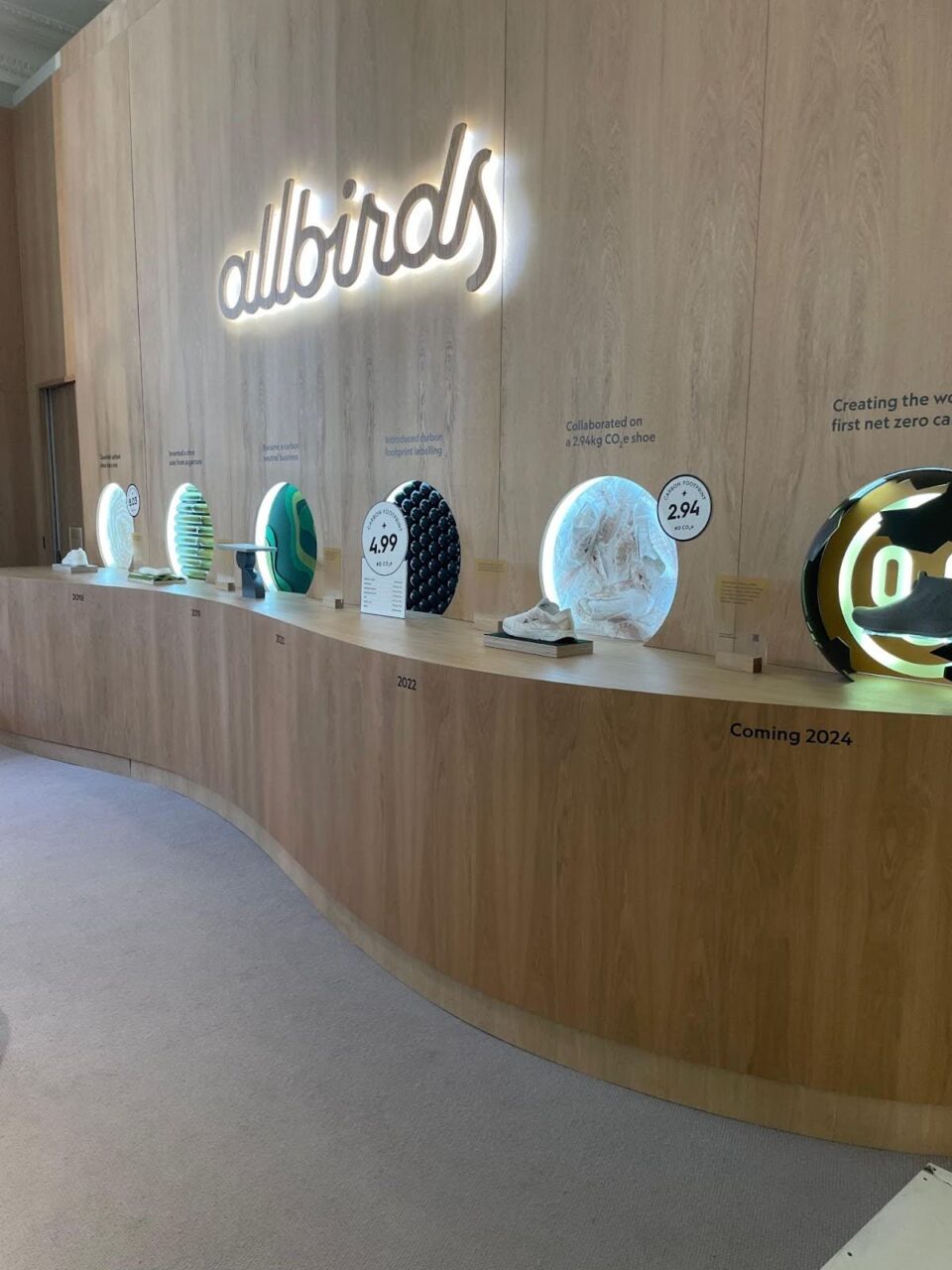
All over Europe and the US, from nowhere, their stores were everywhere. And those stores led with some of the slickest, cleanest and boldest brand positioning around. They still look great today.
Minimalist designs and beautiful visual storytelling combined with great window copy. They were distinct in their boldness: this was the greenest sneaker.
But right from the beginning, I always wondered whether people were buying this sneaker because it was made from more sustainable materials and processes (allegedly, at least), or because it was new, and cool.
To read the rest of this post, subscribe to our Substack newsletter for free.
Subscribe to the Insider Trends Substack newsletter to get to exclusive insights that we don’t share anywhere else. You can expect more detailed thoughts on the trends we are seeing around the world at the frontline of new retail concepts and what it all means.