
What a social media ban for under-16s might mean for the beauty industry
Keir Starmer (Prime Minister of the UK for those who don’t know – and you might not because he’s a little unknowable) has just announced that social media will be banned for under 16s in the UK from next year.
As you might expect, the announcement has divided opinion. But slightly changing the orange of Sainsbury’s to a darker orange would divide opinion so that isn’t worth discussing here. In short, some love the ban, some hate it. Very little in between.
Anyway, although we don’t know precisely which social media platforms the ban will include, we do know that it will involve the major and most obvious companies like Facebook, Instagram, TikTok, Twitter (sorry, X) and YouTube.
And it occurred to me that this could be a real issue for the beauty industry.
Why? Well, children between the ages of 10 and 18 are estimated to be worth between £700 million and £1 billion to the UK beauty industry.
If that statistic doesn’t depress those of you with young children enough, there are dozens of stats finding similar conclusions. Beauty growth weighs heavily towards very young consumers.
And yes, as you probably already know, brand and product discovery overwhelmingly comes through social media.
It’s a trend we’ve been tracking for years, that’s broadly tracked alongside the enormous growth of K-beauty, which has a particular power in selling to the very youngest of shoppers.
So what happens now? Let’s speculate!
New demographics?
One possible outcome is that the industry finally starts to pay more attention to a customer that is consistently undervalued – women over 40.
Bar the odd outlier like Trinny London – an outstanding brand that understands women don’t automatically want everything to be beige the day they hit 40 – beauty ignores older women.
I’ve never really understood it. They have more money than younger women, and from my limited understanding, they are still interested in beauty products.
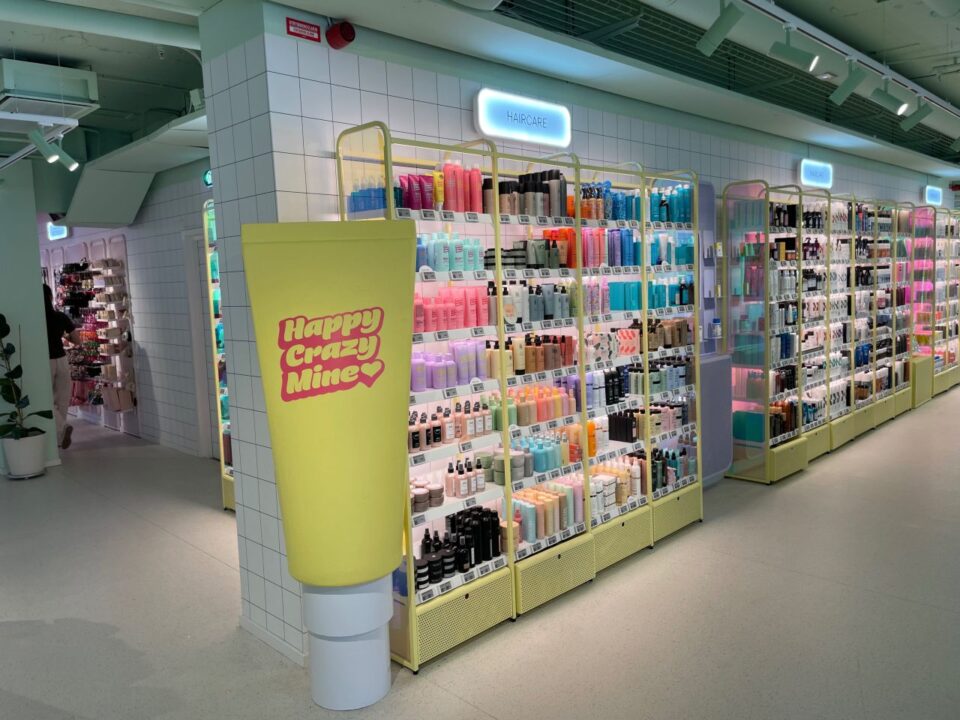
There’s undoubtedly a growth in longevity focused beauty or wellness businesses who understand this untapped potential, but your average beauty or skincare brand tends to skew young. Very young. A walk through any Sephora store nowadays sort of delivers the same aesthetic hit as a candy store.
And that isn’t an accident.
So maybe beauty brands and retailers make what would be a broadly welcome shift to a different, forgotten demographic.
To read the rest of this post, subscribe to our Substack newsletter for free.