
Retail
How department stores are losing a rigged game
I am unapologetically fond of department stores, and sympathetic to their struggles.
So, during a project in Zagreb this week, I did what I always do in a less familiar city: headed straight for its oldest department store.
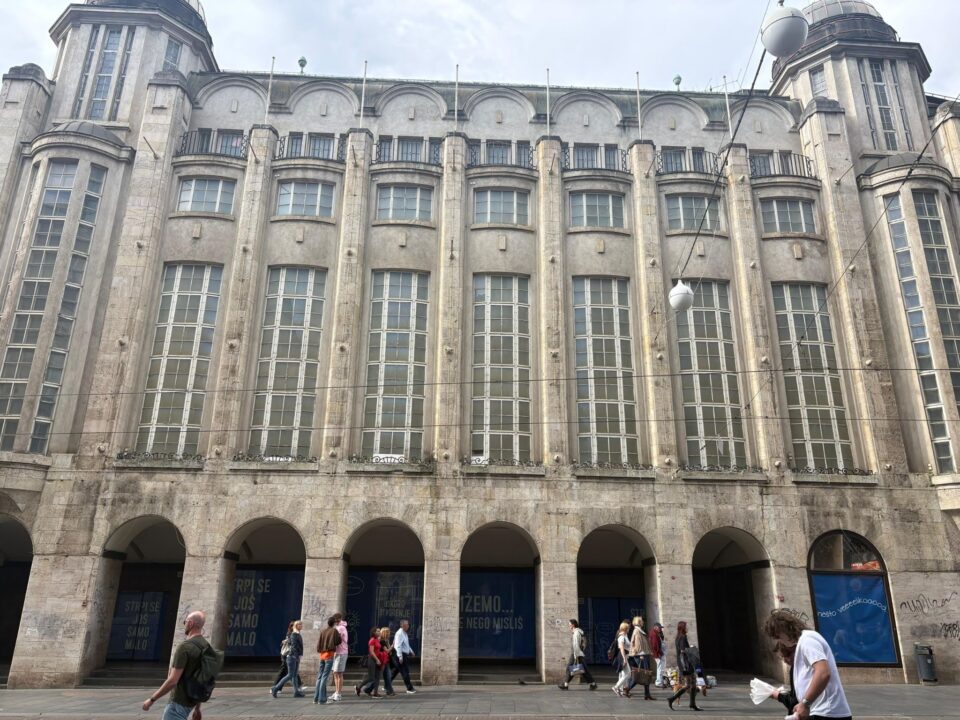
That store was 140 year-old Nama, housed in an extraordinary and distinct art deco themed building. And as I arrived, it became clear it was closed. It had permanently shut in February 2026. I felt properly, disarmingly sad.
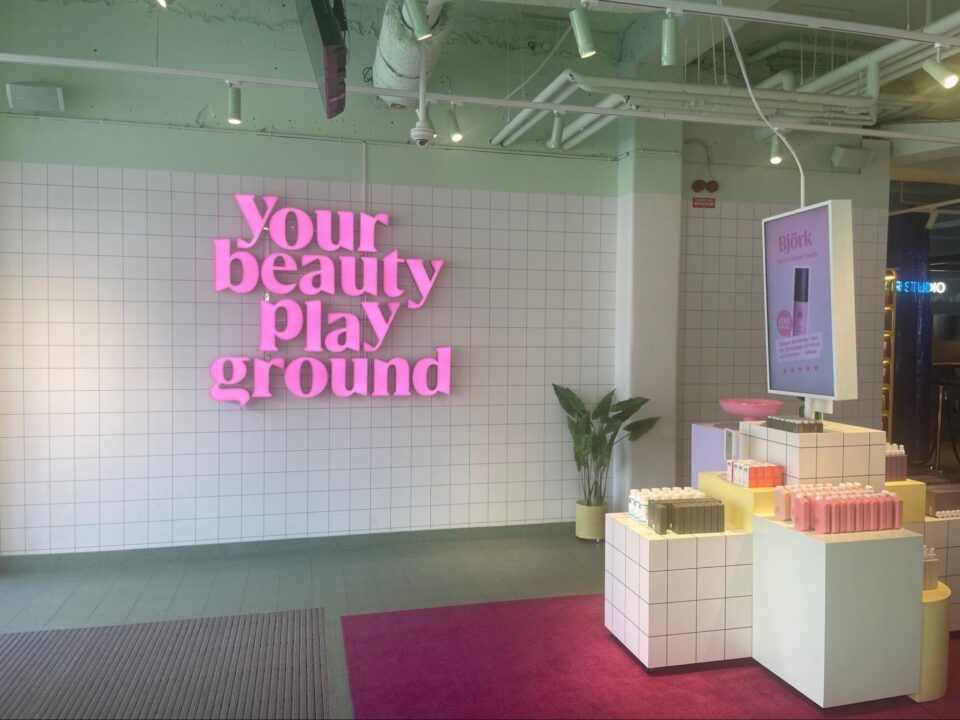
A few doors down, Ale Hop, a Spanish, discounted multi-product store that’s scaling across Italy and Croatia had recently opened. The store was bright, white, devoid of history and packed to the rafters with tat. It was also very busy, and a fraction of the size of Nama.
Ale Hop’s opening and Nama’s closure felt like a heavy handed reminder of how much retail has changed – and not necessarily for the better.
A concept built in, and for, the past
Retail in the near, let alone more distant future, feels wildly unpredictable.
Ecommerce is now somewhere between 20% and 30% of total sales in much of the western world, and it’s growing pretty much everywhere else.
Agentic commerce, some predict, will make up 25% of all online sales by 2030.
Meanwhile, online marketplaces are growing 6x faster than traditional retailers. As a result, there’s a sense that it’s never been easier to launch a brand, but it’s also never been harder to scale it.
Meanwhile, consumers are as difficult to pigeonhole as ever, buying vintage Ralph Lauren polos one minute, and utter crap on Shein the next. For all the data, most brands are no better at understanding what they will do next than they were 30 years ago. Some, arguably, are worse.
Now, looking out at all of this, if you were looking to start a retail business and open a store, I’m not sure what you would do.
You might well open a small, high-end multi-product store – something with the feel of a department store but a tightly curated product range and infinitely smaller square footage. More safely, you’d open an Ale Hope or Normal – something laser-focused on low price.
But I’m confident of what you wouldn’t do: open a massive shop with five-floors and dated infrastructure, right in the centre of an area with high rents and costs, selling every kind of product but rarely at better prices than you’ll find online.
Welcome to the average department store – a model built for the past that seems incredibly difficult to drag into the future.
To read the rest of this post, subscribe to our Substack newsletter for free.
Subscribe to the Insider Trends Substack newsletter to get to exclusive insights that we don’t share anywhere else. You can expect more detailed thoughts on the trends we are seeing around the world at the frontline of new retail concepts and what it all means.