
Retail
Everlane, Shein, and how sustainability in retail lost its way
There probably couldn’t be a clearer, more heavy handed example of how sustainability has fallen off of the retail agenda than Shein acquiring Everlane.
The “radically transparent” fashion brand has been acquired by the radically un-transparent fashion giant.
On the surface, this could be interpreted as a straightforward story. Money has eaten ethics for breakfast – as it always does.
And to some extent, that is the story. A once hyped DTC falls into the arms of a growing, international juggernaut in order to survive.
But there’s something about this particular combo that signals something deeper.
Everlane once felt exciting. They were the fashion brand that seemed to sell on sustainability. The clothes looked good, the story felt good – but it all came in at a reasonable price.
This acquisition is a big loud signal that confirms what we all already should have seen: consumers don’t care about sustainability anymore.
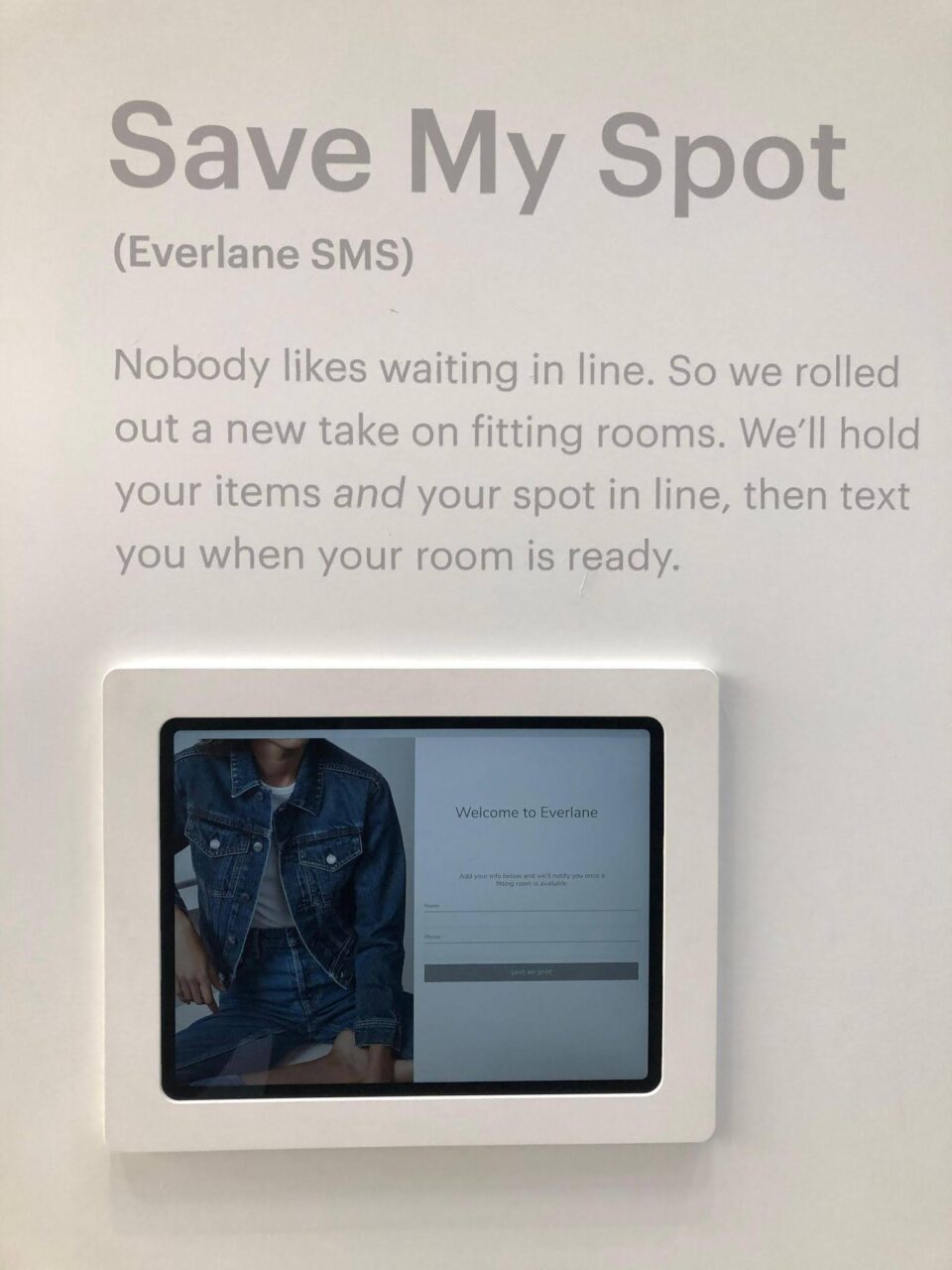
Image credit – Jack Stratten/Insider Trends
Radical transparency
More than a decade ago I was talking about Everlane on stage and on tours – and it was primarily because of sustainability storytelling.
I didn’t know if they were sustainable, really. I mean, how can you ever know? It’s an impossible discussion because the only definitively sustainable thing you can do is to make absolutely nothing.
But what was distinct was the storytelling. Everlane had a way of talking about sustainability that was actually cutting through, and that mattered.
As I’ve argued to clients for a long time, at a macro level the challenge has always been to find ways of talking about sustainability in a way that engages customers – complex, emotional, irrational, unpredictable, and often selfish, customers.
People have never, and will never, shop with retailers en masse because they do good things for the planet and society, with a long-term view of collective progress. There is little need to dwell on that point because the entire history of modern humanity proves it. Our own needs and wants generally trump our collective needs. Whether it’s a brand, political party or a cult, the most successful tend to be the most successful at appealing to our own, selfish needs.
Because of this fundamental, innate aspect of our dreadful selves, the only way to make sustainability a part of how people shop was to make it a meaningful part of the story. And for a time, Everlane seemed to do that.
To read the rest of this post, subscribe to our Substack newsletter for free.
Subscribe to the Insider Trends Substack newsletter to get to exclusive insights that we don’t share anywhere else. You can expect more detailed thoughts on the trends we are seeing around the world at the frontline of new retail concepts and what it all means.