
Retail
Why the nichification of stores is more than a niche issue
Have you noticed just how niche retail is getting?
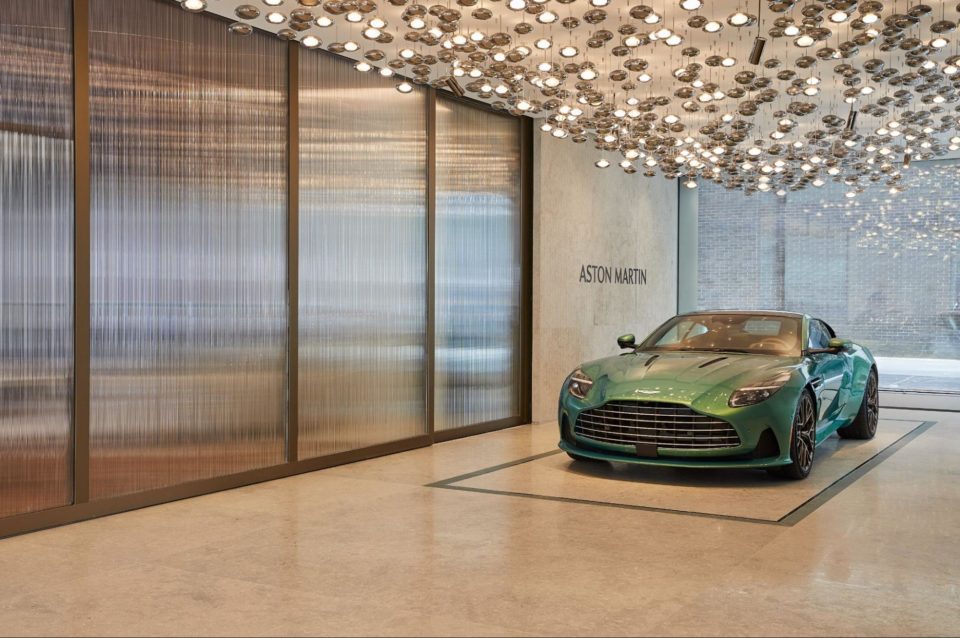
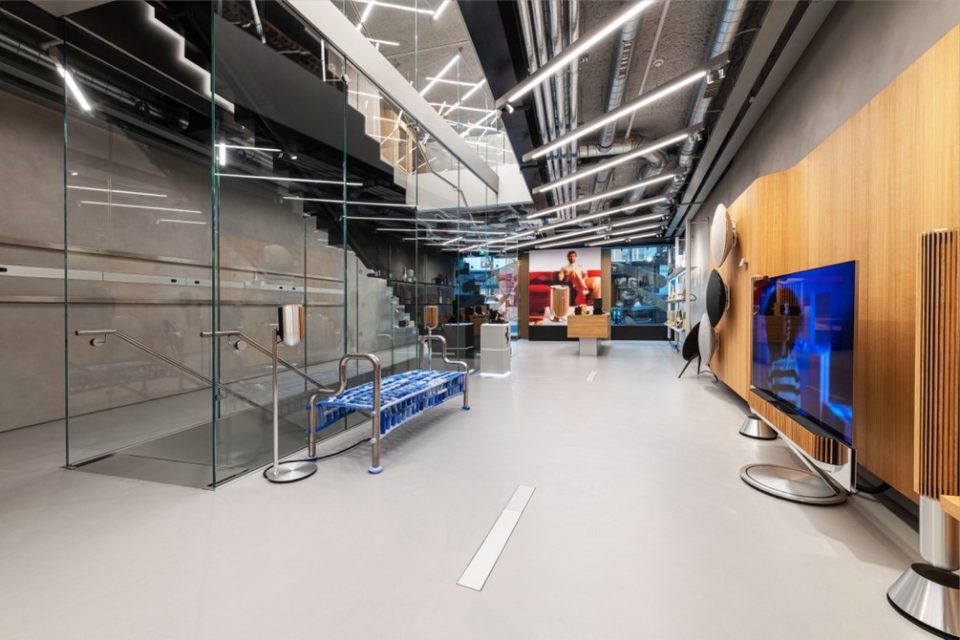
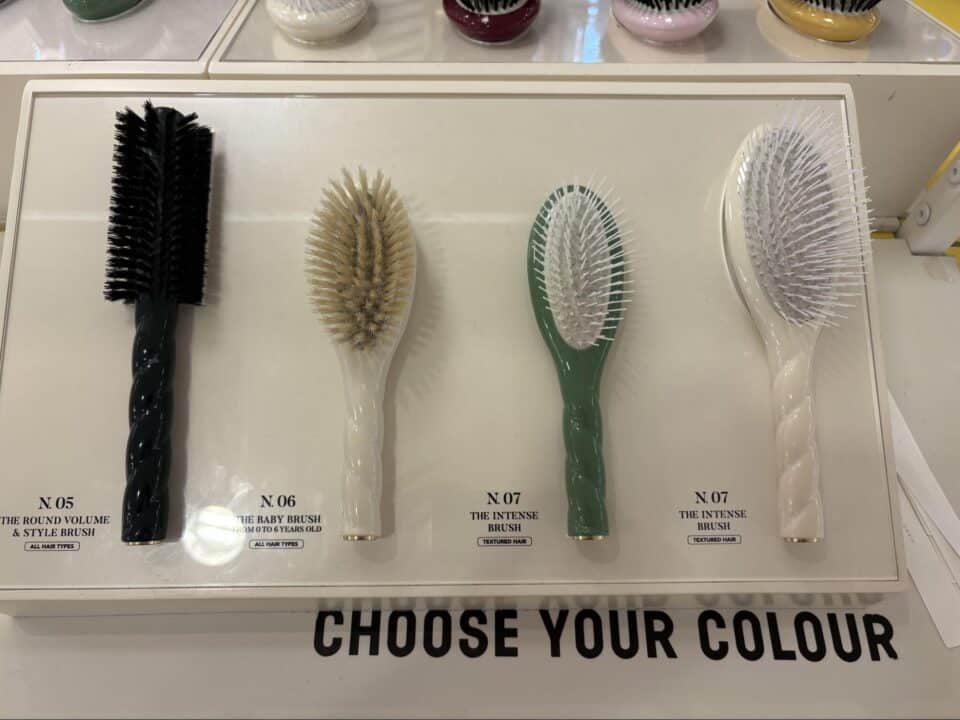
Stores devoted entirely to selling one perfume or hairbrushes that cost £200? Brands that are growing and yet intentionally alienating 90% of people? Huge physical spaces with nothing but a few t-shirts and a sculpture in them?
Well, it’s the result of what some people are calling the nichification of retail. You could also call it the fragmentation of retail – and it mirrors everything that’s happening culturally.
As is now widely discussed, the monoculture is dead. We don’t have many shared, omnipresent, collective cultural moments anymore.
The digital age has evolved in such a manner to give structure to our niche interests and tribal instincts. Everyone is consuming their own curated content now – and very few families are left sat together, watching Jurassic Park.
But the really interesting thing is that most of retail hasn’t shifted yet. The majority of retail is built for a monoculture that no longer exists – broad, everything-to-everyone retail experiences that already feel vulnerable to a rapidly fragmenting culture.
Is it time for all retailers to take notice of nichification?
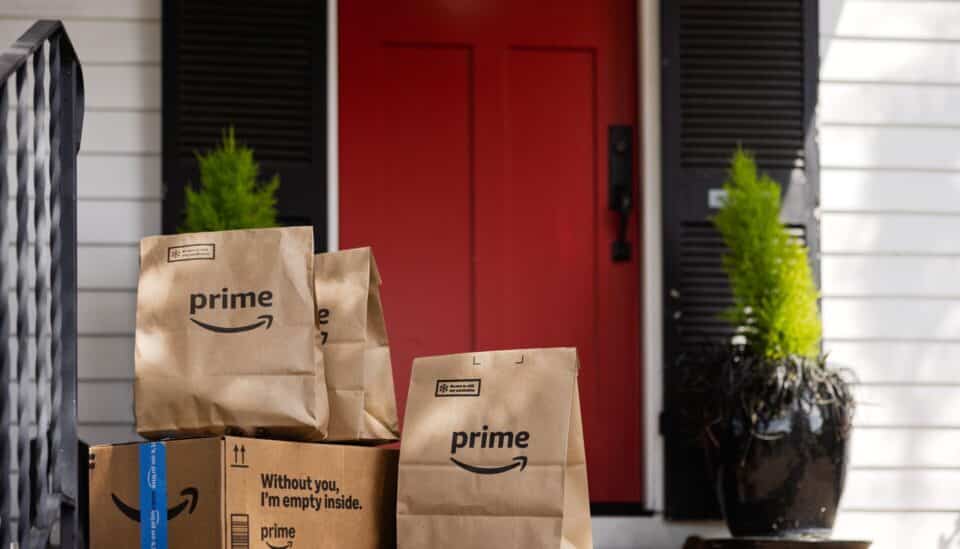
Image credit – Amazon
The dominance of giants
It’s no coincidence that nichification is exploding at a moment of growing dominance by truly giant retail marketplaces that offer very similar things.
The online giants like Amazon, Temu grow on shared principles of offering as much choice as possible to as many people as possible. They compete, as ever, on price and convenience.
Meanwhile the legacy retailers who have adapted successfully have largely done so by following the same playbook. For all the nuance involved in their different business models, the lasting power and continued growth of everyone from Walmart and Tesco to Next and Home Depot comes down to choice, price and convenience.
For the consumer, the reality is quite simple. There are now a growing number of retailers who sell a huge range of the same products at similar prices and with similar efficiency.
To me, this is all still quite remarkable. It’s ludicrous that you can think of something – anything – and moments later be deliberating on whether to pay £2 to have it today or nothing to have it tomorrow.
But it’s no longer remarkable to a growing cohort of shoppers who have grown up with this as reality. This is simply how the world is. It’s neither novel or notable – their fundamental expectations have shifted.
As a result, it’s my firm belief that the future consumer will expect all of this but won’t actually be interested in it. As a result, there will be absolutely no emotional loyalty to these retailers and no margin for error whatsoever as a result. These retailers will be used, but rarely liked.
Naturally, as this is already happening, consumers are flocking to any newer brands that recognise this reality and double-down on being distinct and different. For these brands, eccentric strategies and offerings aren’t actually that bold – they simply make sense within modern retail.
There is, after all, no space left in the race to the bottom.
To read the rest of this post, subscribe to our Substack newsletter for free.
Subscribe to the Insider Trends Substack newsletter to get to exclusive insights that we don’t share anywhere else. You can expect more detailed thoughts on the trends we are seeing around the world at the frontline of new retail concepts and what it all means.