
AI’s impact on retail property: The only way is up
A couple of weeks ago I had what can only be described as a very nice gig.
Some very nice people from Landsec asked me to host a roundtable discussion about AI’s impact on retail property, and then asked if I could invite very nice friends of my own. Which I duly did, resulting in a wonderful mix of brands, as well as genuine subject matter experts like Melissa Minkow and Chris Igwe.
Best of all, it happened at Luca in Farringdon, London. Which meant discussion underpinned by these sort of incredibly soft and light parmesan chips that honestly I have not stopped thinking about since. If it wasn’t for the fact I needed to be professional, I would have eaten them until I passed out.
Anyway, I hadn’t necessarily planned to write a piece about this event, but it was so thought-provoking that I thought I ought to.
So, here were some of the biggest takeaways.
“Channel differentiation”
Annoyingly, Melissa kept making points that were, on reflection, more interesting and more succinctly put than mine.
We were discussing the now widely shared prediction that agentic AI will account for around 25% of ecommerce sales by 2030, and what this might mean – not just for ecommerce but for physical retail.
We all agreed that agentic seems more primed to take sales from ecommerce because it’s most innately effective in repetitive, convenience-focused purchases. Everything that’s fundamentally transactional.
But Melissa predicted (and most agreed) that this poses no real risk for physical retail, so long as retailers focus on “channel differentiation”.
I like this idea a lot.
In a world where agents increasingly just “do” everything, some transactions will be so frictionless they will become barely visible. And as a result, they’ll be entirely uninteresting.
That’s where channel differentiation isn’t just something for premium brands or in premium locations. It will become essential for everyone, everywhere.
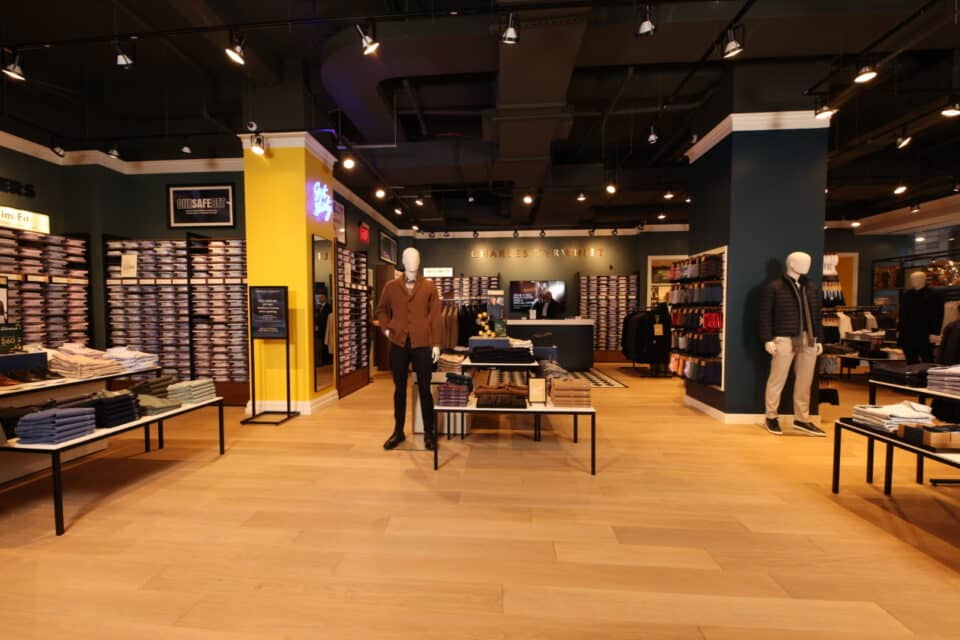
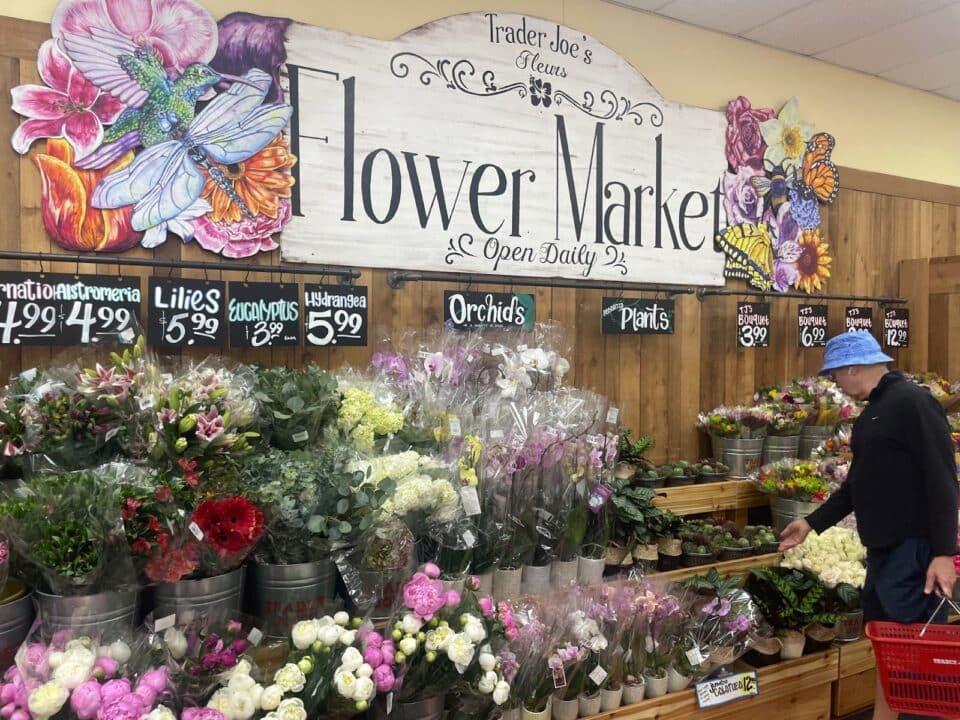
Physical retail will need to reawaken those senses dulled by the repetitive perfection of agentic commerce. And this will, rightly, broaden the way the industry looks at retail experience. In fact, it’s already happening.
Sostrene Grene and Normal are offering distinct, winning retail experiences across Europe at the lowest price points. American teenagers are heading back to shopping malls, and not necessarily just luxury, “experiential” ones.
Agentic could actually create the path to a kind of post-digital, post-AI world, where every and any kind of physical retail experience can feel special and memorable.
To read the rest of this post, subscribe to our Substack newsletter for free.