
Retail
Gap, and the challenge of nostalgic storytelling
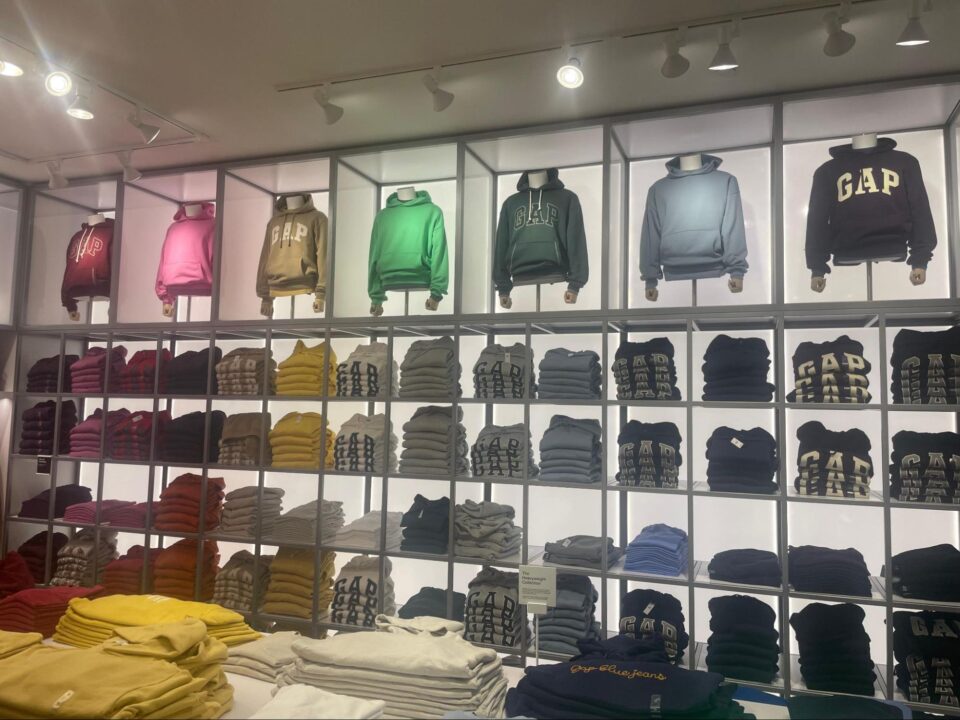
Gap is back.
As is well publicised, it’s growing – having all but disappeared from relevance. It’s recorded eight straight quarters of same-store sales growth.
But perhaps even more significantly, average selling price is up too. Mass market fashion brands growing by cutting costs are easy to find; those growing on a platform of higher prices are doing something far more compelling.
That something, at least to some extent, seems to be storytelling. Gap’s CEO Richard Dickson (a terrific name by any reasonable analysis) has overseen the turnaround, and he came from Mattel, where he oversaw the Barbie movie – a veritable cultural phenomenon.
This is a leader who understands story.
Gap’s story is rooted in its origins – a store opened by Don and Doris Fisher in 1960s San Francisco selling Levi’s jeans and records.
As I’ve seen first-hand in its flagships in Flatiron, New York and Covent Garden, London, Gap is now tapping into this rich history with some success.
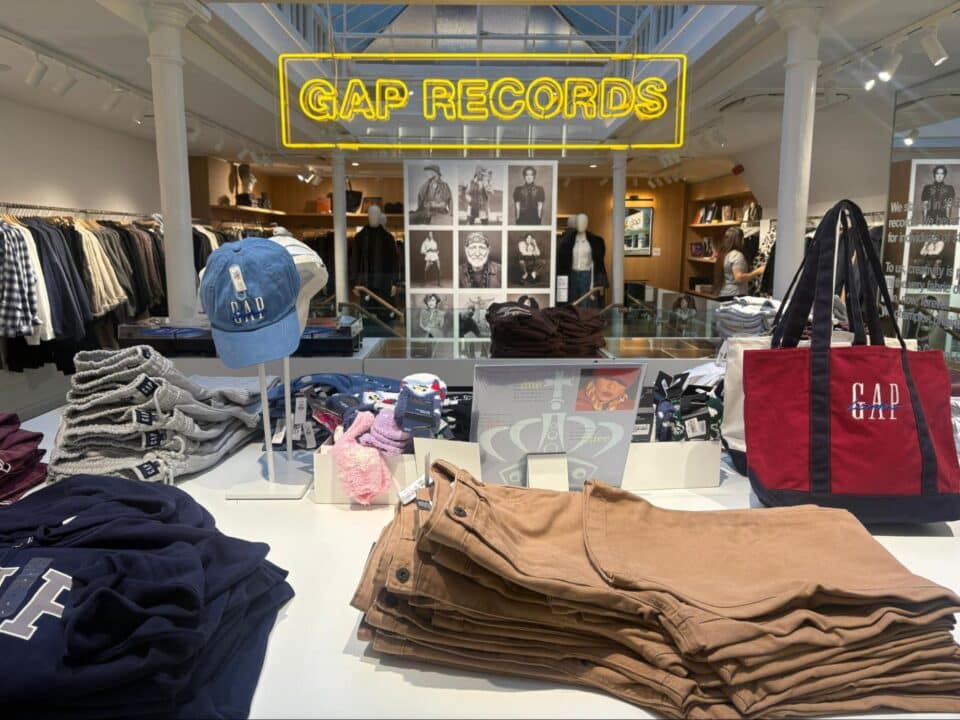
Image credit – Jack Stratten/Insider Trends
History beats nostalgia
Gap’s new-look stores share its history both directly and subtly.
There are timelines and black and white photos of celebrities wearing vintage Gap clothing over the years.
Then there are records, older versions of the logo and sections dedicated to iconic products.
Unsurprisingly, as a tool of engagement in an age obsessed with nostalgia and longevity, this works. It also mirrors what’s happening online.
To read the rest of this post, subscribe to our Substack newsletter for free.
Subscribe to the Insider Trends Substack newsletter to get to exclusive insights that we don’t share anywhere else. You can expect more detailed thoughts on the trends we are seeing around the world at the frontline of new retail concepts and what it all means.