
Retail
My favourite toy stores in the world
OK so having recently been briefly topical, I decided to get back to my comfort zone again and write about whatever happened to jump, uninvited, into my slightly frazzled brain this morning.
And today, that intruder happened to be toy stores – and more specifically, some of my favourites over recent years.
As ever, this list is entirely subjective, irrational, and ultimately meaningless. Most of the world’s best toy stores are probably independent – and many of them I’ve never visited. So do not take this as an informed list.
Instead, it’s more a means of communicating what I think is at the heart of creating memorable retail spaces – and namely, toy stores.
So here we go.
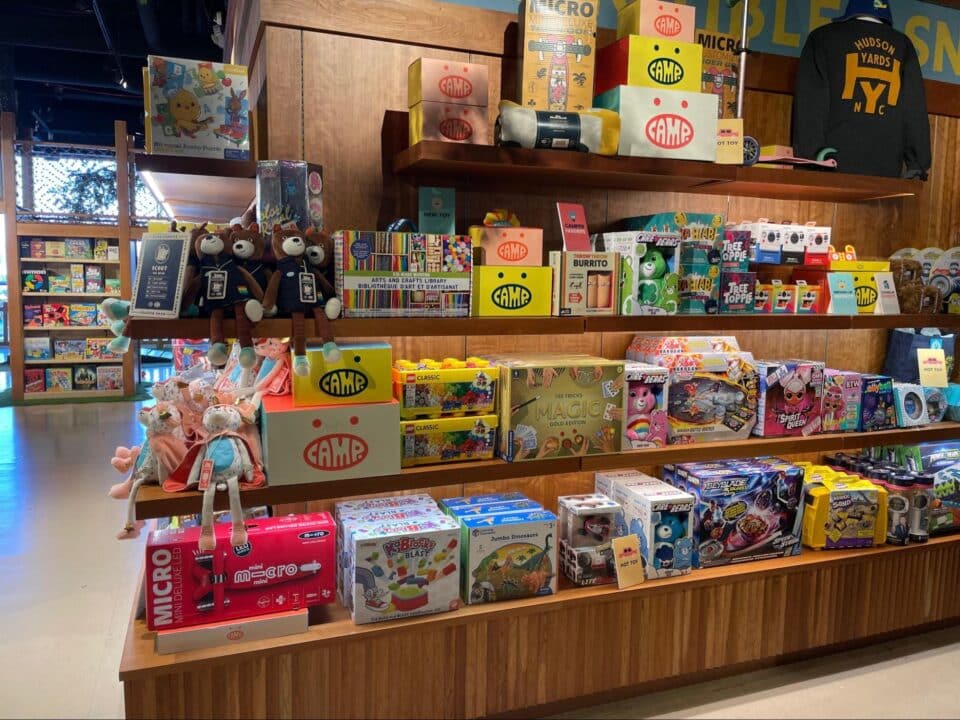
Image credit – Jack Stratten/Insider Trends
Camp, 5th Avenue, NYC
My first visit to Camp 5th Avenue, the brand’s first ever store, remains one of the most thought-provoking retail experiences I’ve ever had.
So people always talked to me about Lego as the benchmark for toy stores, but I never quite got it. The product, absolutely. It’s impossible to imagine a world without Lego now. But the stores always felt like they were missing something.
Then I found that missing something in Camp. Back then (this was pre-Covid), you would walk into this very pleasant but also relatively normal looking store, and there was no immediate chaos or hype.
Until you saw the hidden door, leading through to a vast, immersive playground. The door opens, and all you can hear is a chorus of kids playing.
Everything at the front of the store was playable. This was no longer a toy store – it was a playground.
It’s probably become a victim of its own success now. The hidden playground is no longer free, and no longer hidden. Every kids’ brand under the sun wants a piece of what Camp built.
But I’ve never seen a purer execution of what children want to do in a toy store (indeed, in any store).
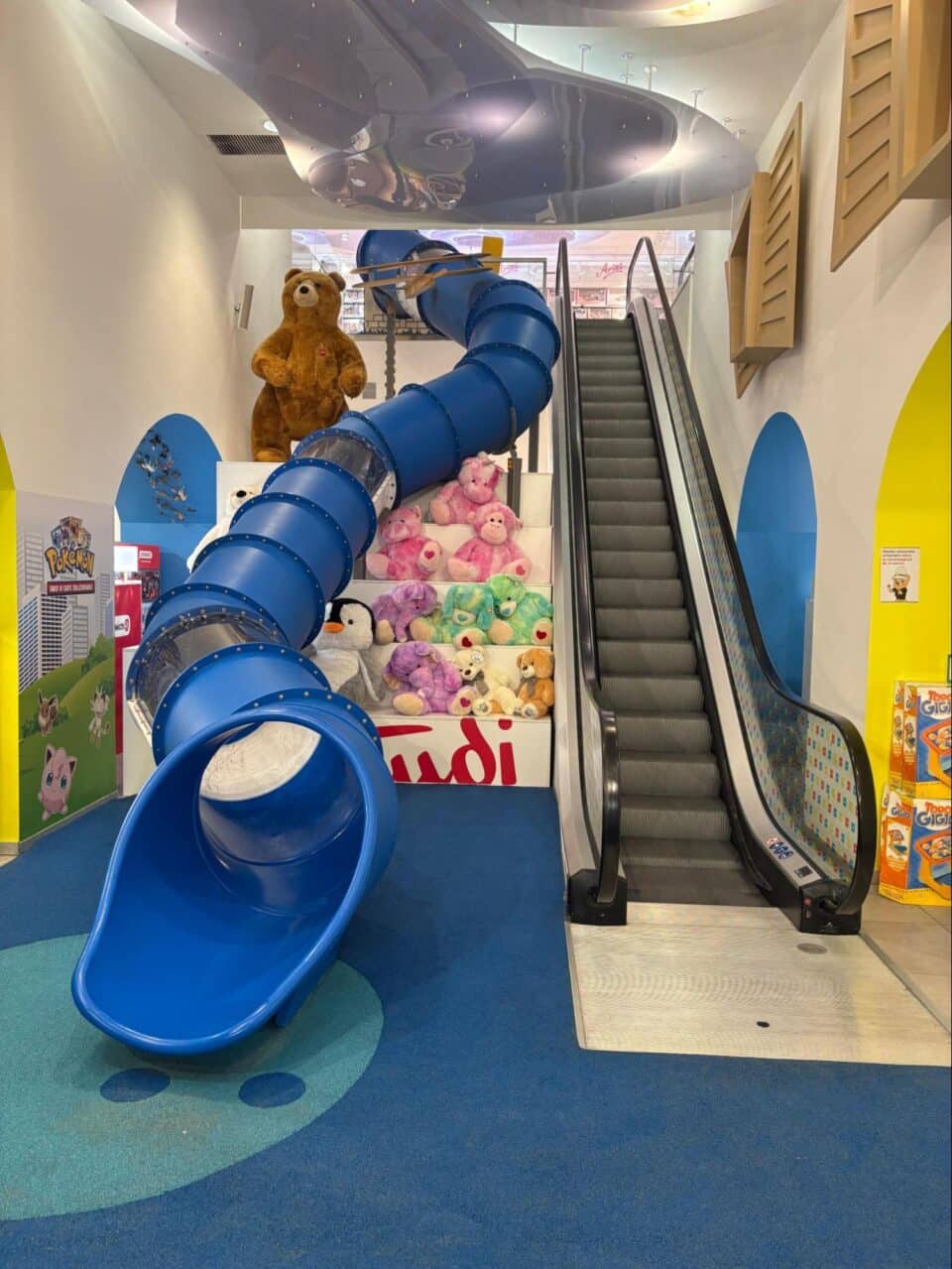
Image credit – Jack Stratten/Insider Trends
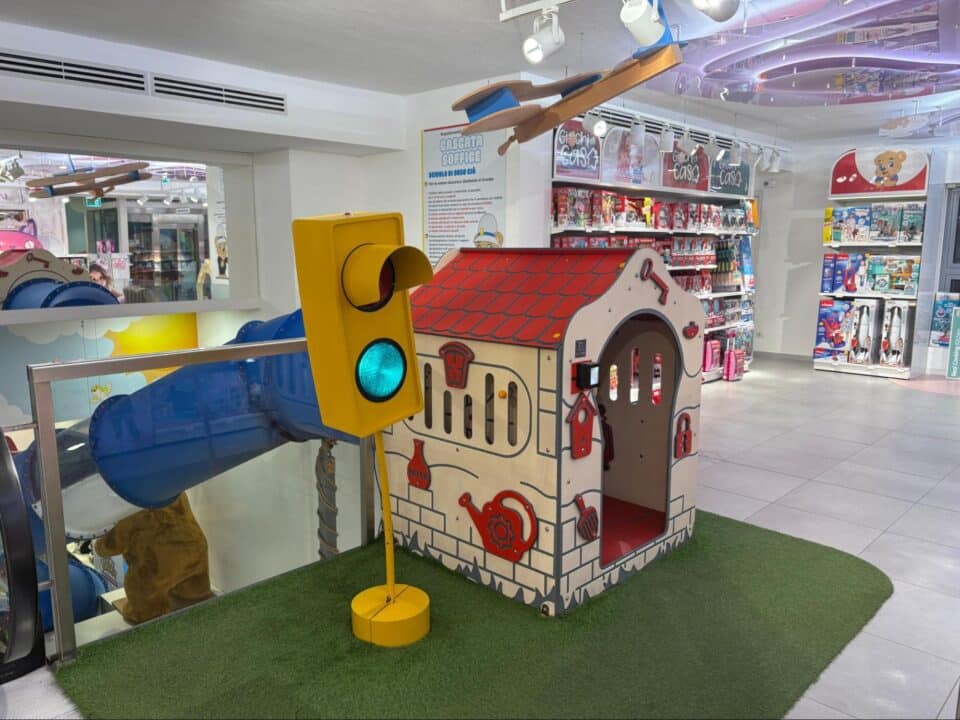
Giocheria, Corso Vercelli, Milan
Giocheria, I think (should check really) is a massive chain of toy stores in Italy – but their Milanese flagship is extraordinary.
What makes it stand out is commitment to experience. There weren’t just some toys to try out or a bit of personalisation. Every single corner had something participatory and bold.
There’s a massive slide that dominates the centre of the store, which is constantly busy. There’s a huge, multi-sensory play area. There’s a remarkably big, sit-on train ride.
But then every single toy brand had an immersive experience. It was very clear that, as a retailer, they’d stipulated that brands needed to create something active and distinct – these weren’t just points of sale, they were points of experience.
Kids don’t shop like adults. Adults are quite irrational, but kids are entirely and consistently irrational. Toy stores should work harder to engage that chaos rather than just neatly stacking products as if kids are going to calmly select what they’ve planned to purchase based on their current bank balance.
I have kids, and whether I like it or not, they are wild and feral. Kids retail ought to try to be a bit more wild and feral too.
To read the rest of this post, subscribe to our Substack newsletter for free.
Subscribe to the Insider Trends Substack newsletter to get to exclusive insights that we don’t share anywhere else. You can expect more detailed thoughts on the trends we are seeing around the world at the frontline of new retail concepts and what it all means.