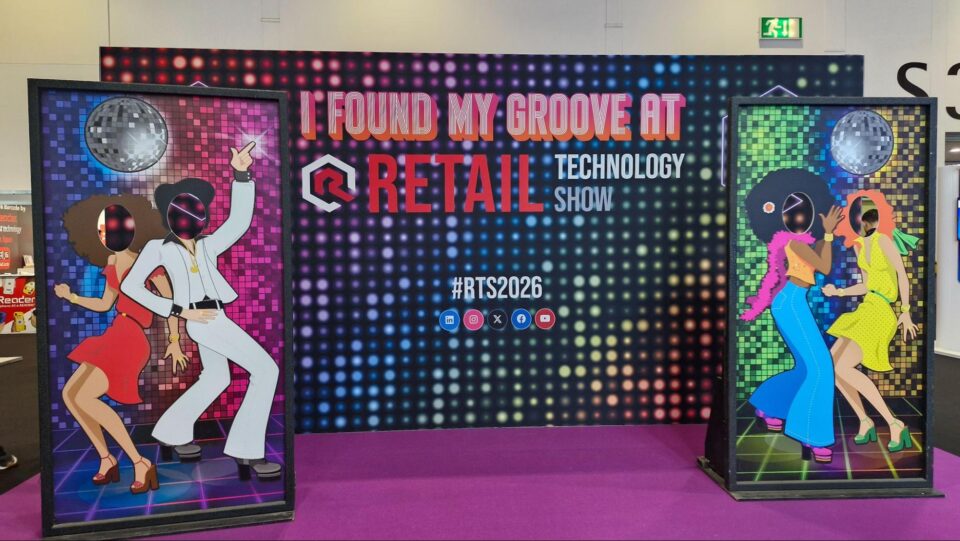
The Retail Technology Show 2026 and the truth about tech’s impact
“Which technology do you think is going to have the biggest impact on retail this year?”
This was the question that a pair of very sweet members of the Retail Technology Show crew, armed with a camera and mic, asked us while we were grabbing five minutes to sit down. And it stumped me.
Because I didn’t have a nice soundbite answer for them. Any response would have been rambling, full of nuance and context, and probably sounding very hedgey. The opposite of the hot takes everyone loves.
And it struck me that after years of people pushing one new technology after another – AR, VR, crypto, NFTs, the metaverse, AI – the tech industry didn’t seem to have a shiny new cure-all for retail’s ills. Thank goodness.
Because without the hype, this year’s Retail Technology Show was a far more realistic look at what is happening in retail and tech, and it’s an interesting picture.
Experiential stands
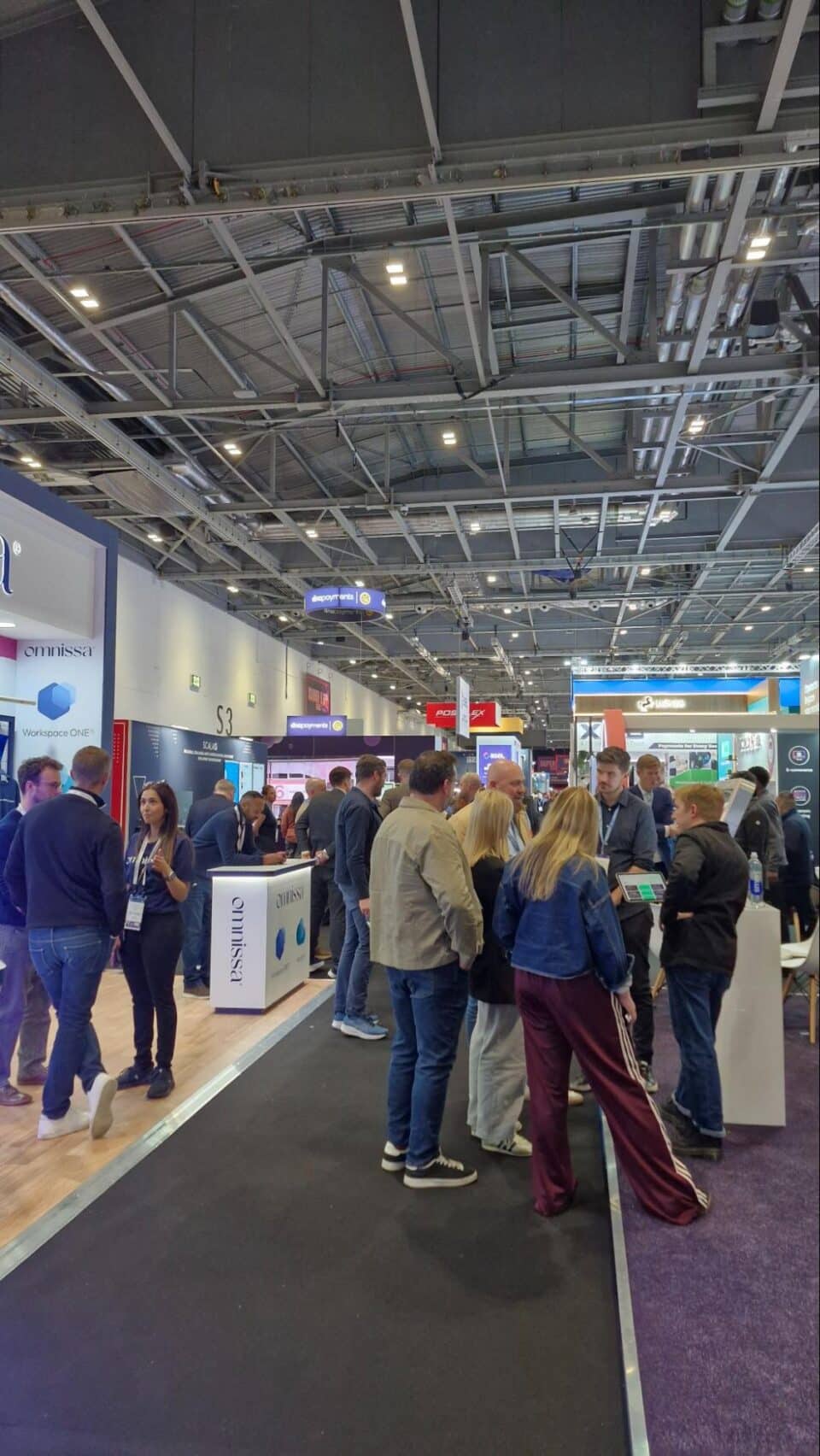
Despite the unfortunately timed tube strikes, the exhibition space was packed. As were all of the panels, given that it was impossible to get into them, which shows the calibre of the speakers and topics.
And from walking around the stands and talking to people, two things became clear: retailers have challenges and problems that they hope tech can help solve, and tech companies often struggle to explain what they actually do.
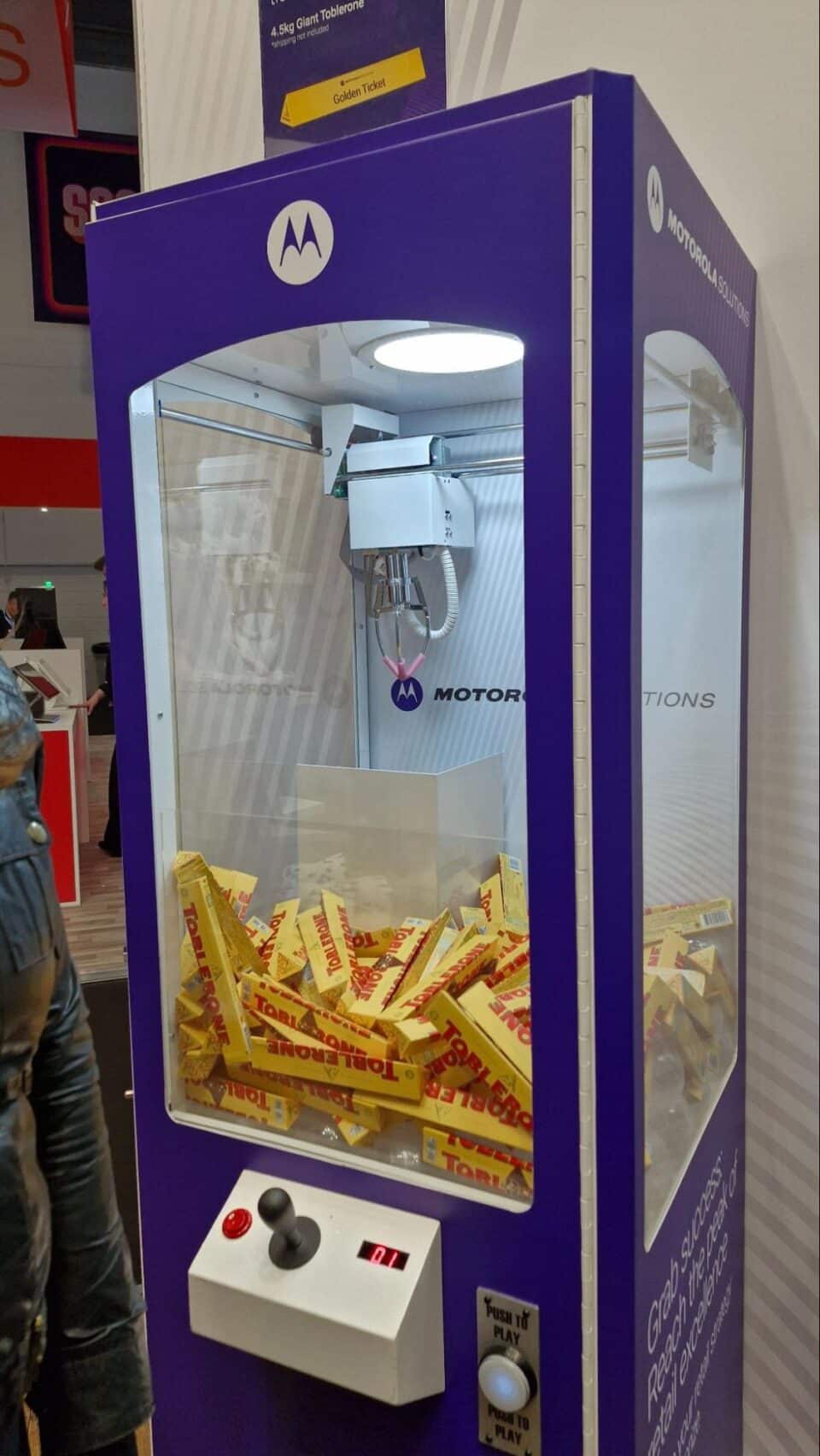
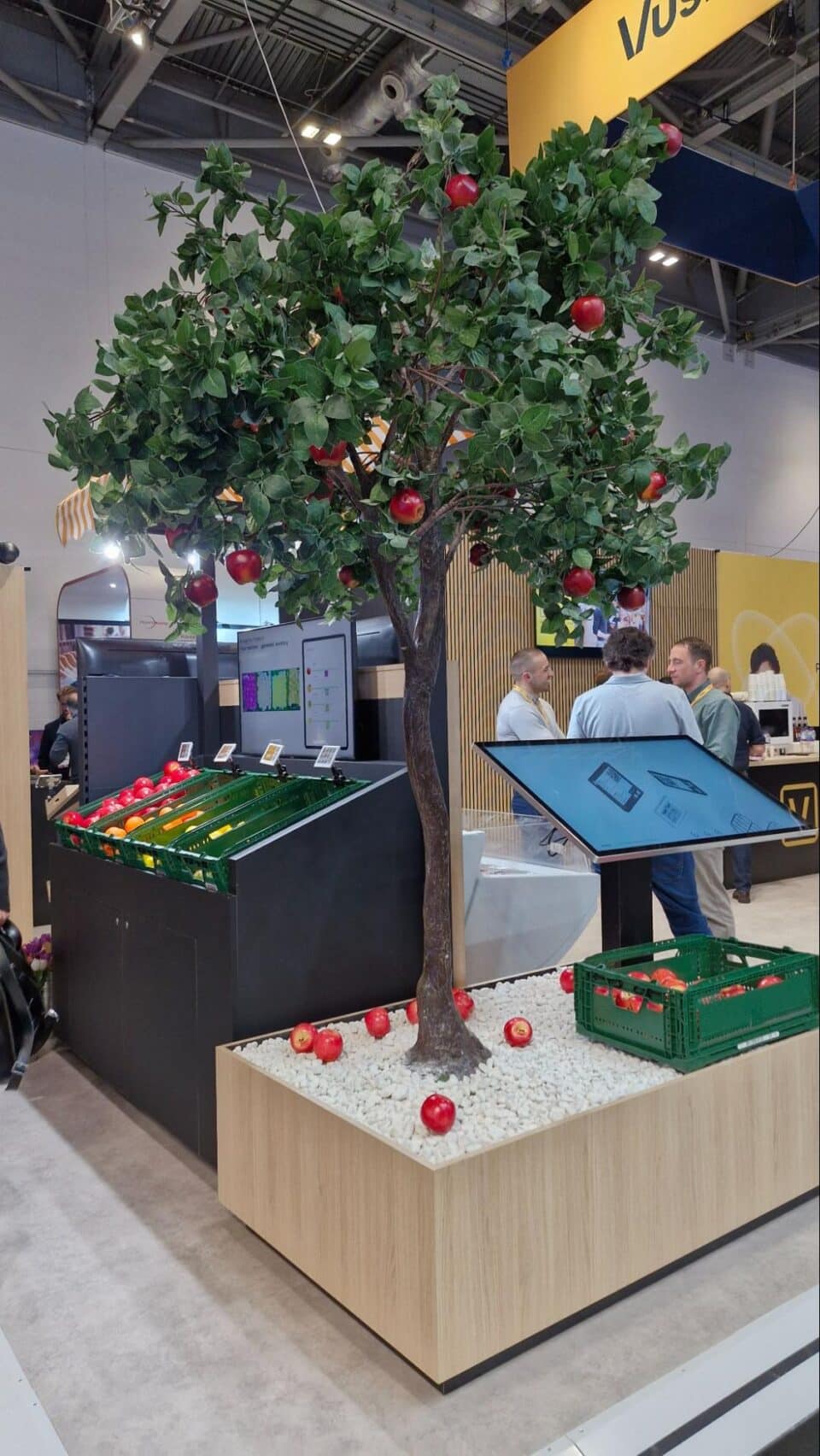
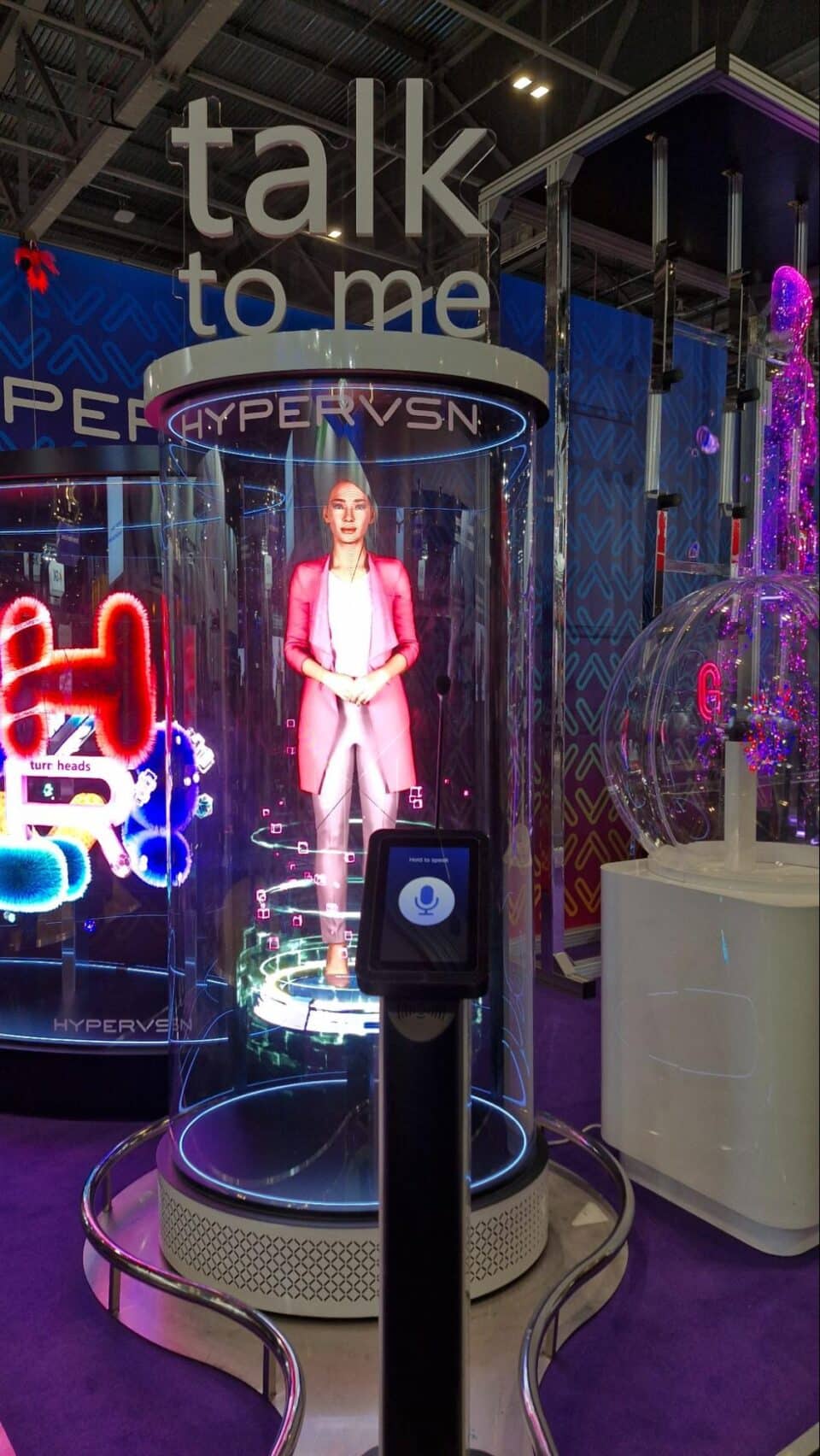
In the latter case, the hardware businesses have an easier time as they have actual physical products to demonstrate. For the software companies, it’s a harder job. Which is why so many of the big software biz stands adopted tactics from physical retail and offered an experience.
From golf putting and football comps to cocktail bars to crane games, vending machines, and actual dogs, exhibitors really pulled out the stops to draw people in.
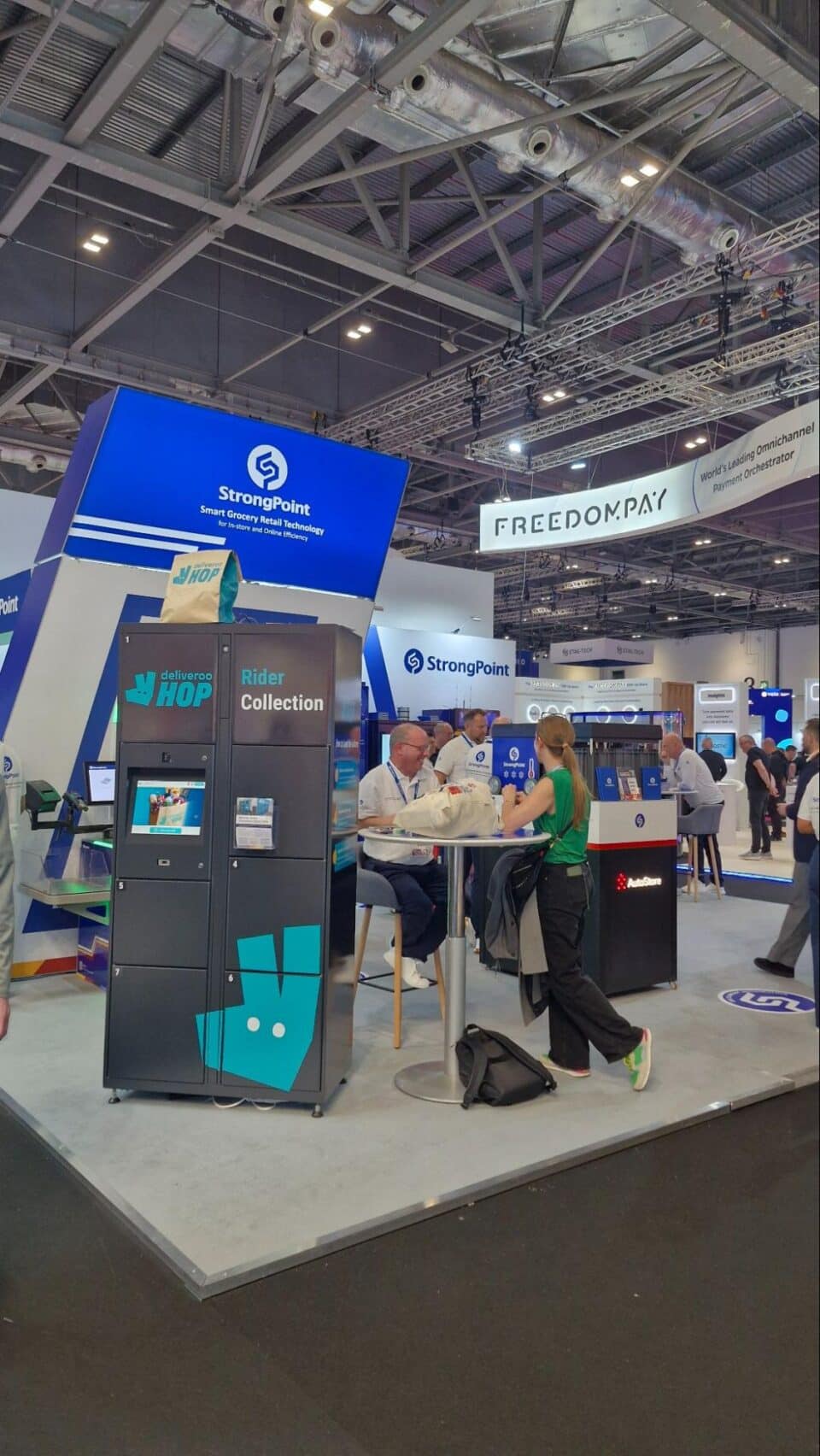
We also saw plenty of store mockups from both hardware and software businesses which makes sense when you’re trying to demonstrate how the tech functions in a store environment.
Common themes
Among the great variety of tech companies we saw, we noticed some common themes that suggest a response to key retailer needs.
Unsurprisingly given all the news about shoplifting incidents, there was a whole section of the show dedicated to loss prevention. This also included cyber crime, which shows that this isn’t just a problem for physical retailers.
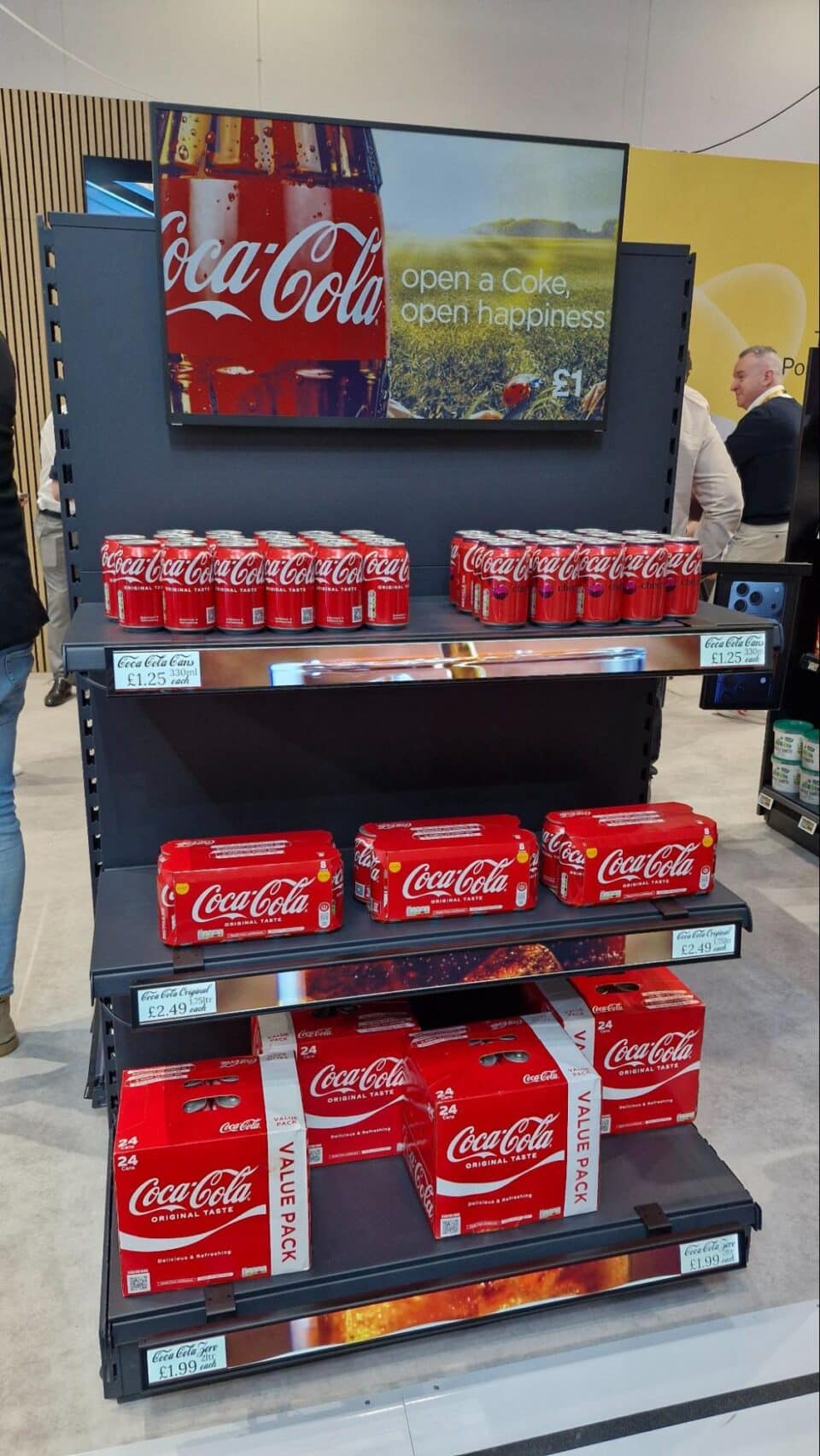
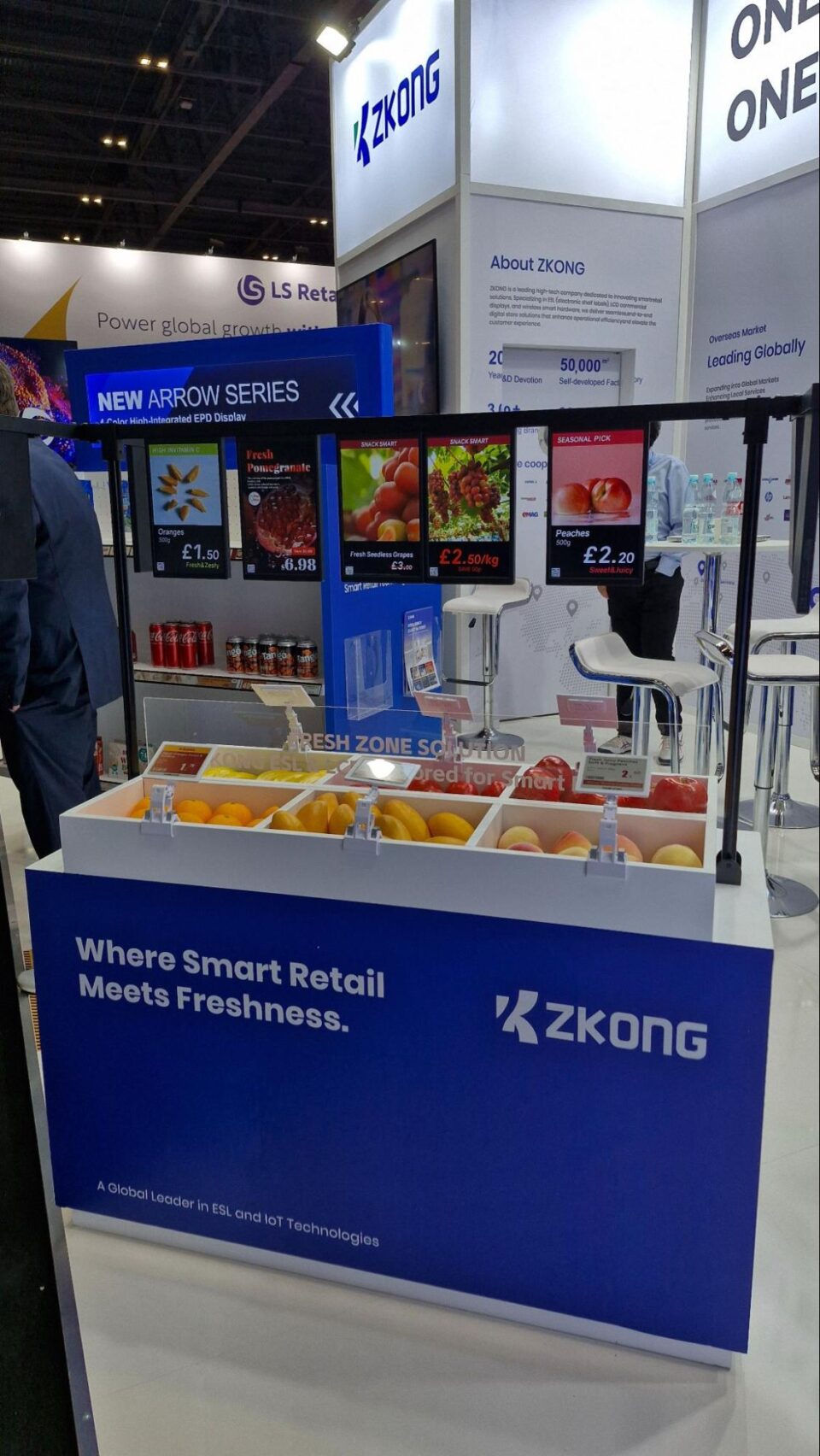
We also saw plenty of electronic shelf label providers, making this an area where retailers see a real opportunity to improve operational efficiency and sustainability. The ability to electronically change pricing not only makes store layouts more flexible but also opens up the potential for dynamic pricing (although this might not be popular with customers unless it’s focused on discounts).
This also fed into another previously hyped area – retail media networks – with digital shelf labels opening up new possibilities for on-shelf advertising and marketing.
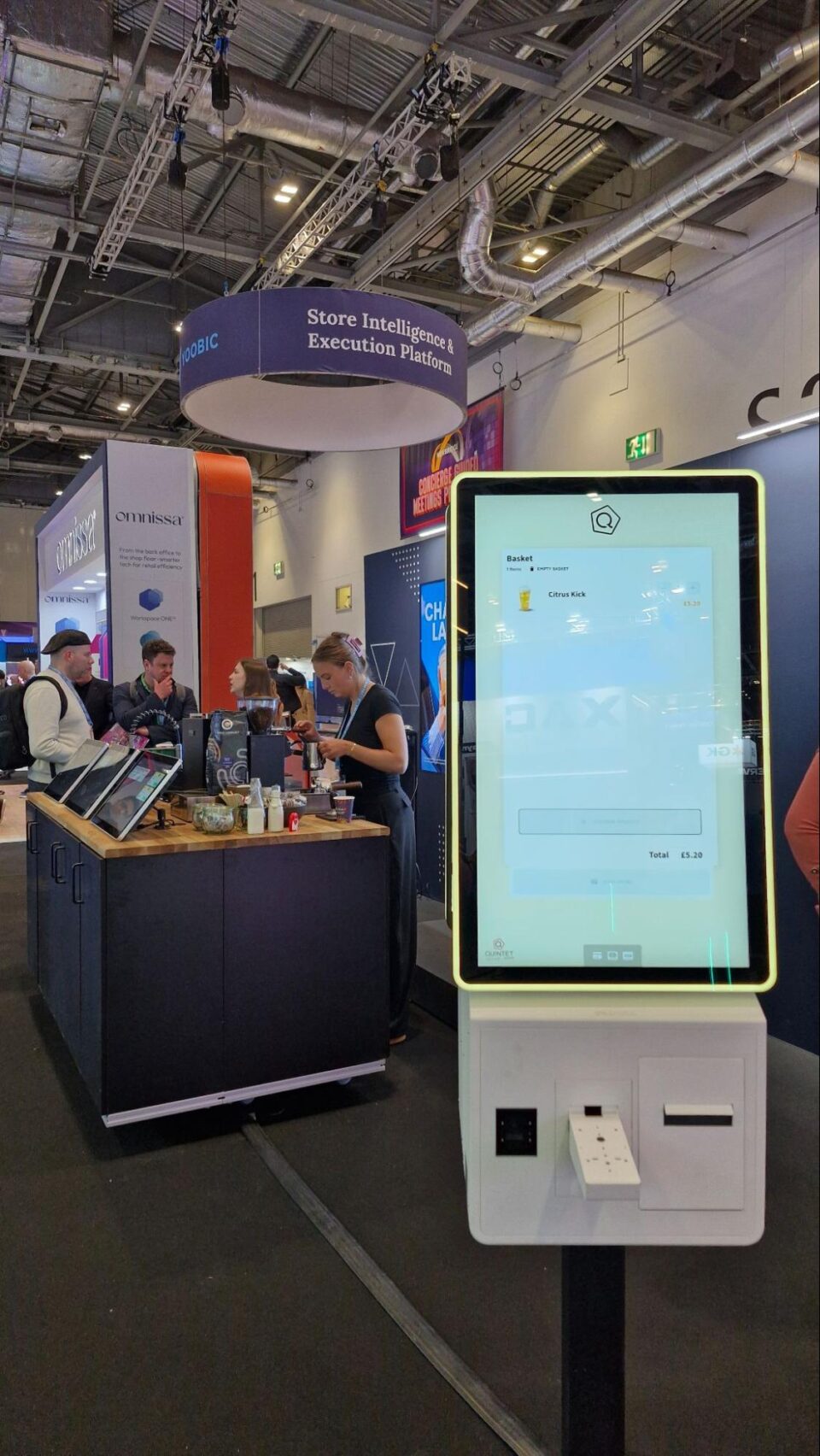
Smart grocery carts also seemed to be especially prominent this year, alongside various self-checkout concepts from digital ordering kiosks to full till systems. We also saw a provider offering attachable smart cart tech that can be retrofitted to existing carts, which shows how this sector is maturing as the tech becomes more cost effective.
One area that seems to grow each year at the Retail Technology Show is employee headsets which connect to agentic AI. What’s interesting here is that we’re starting to see a split between tech companies that offer headsets with their own built-in AI and those who connect to the existing AI system used by the retailer.
We may see the latter approach grow significantly because more large retailers are investing in developing their own agentic AI solutions in-house to ensure confidential data remains private.
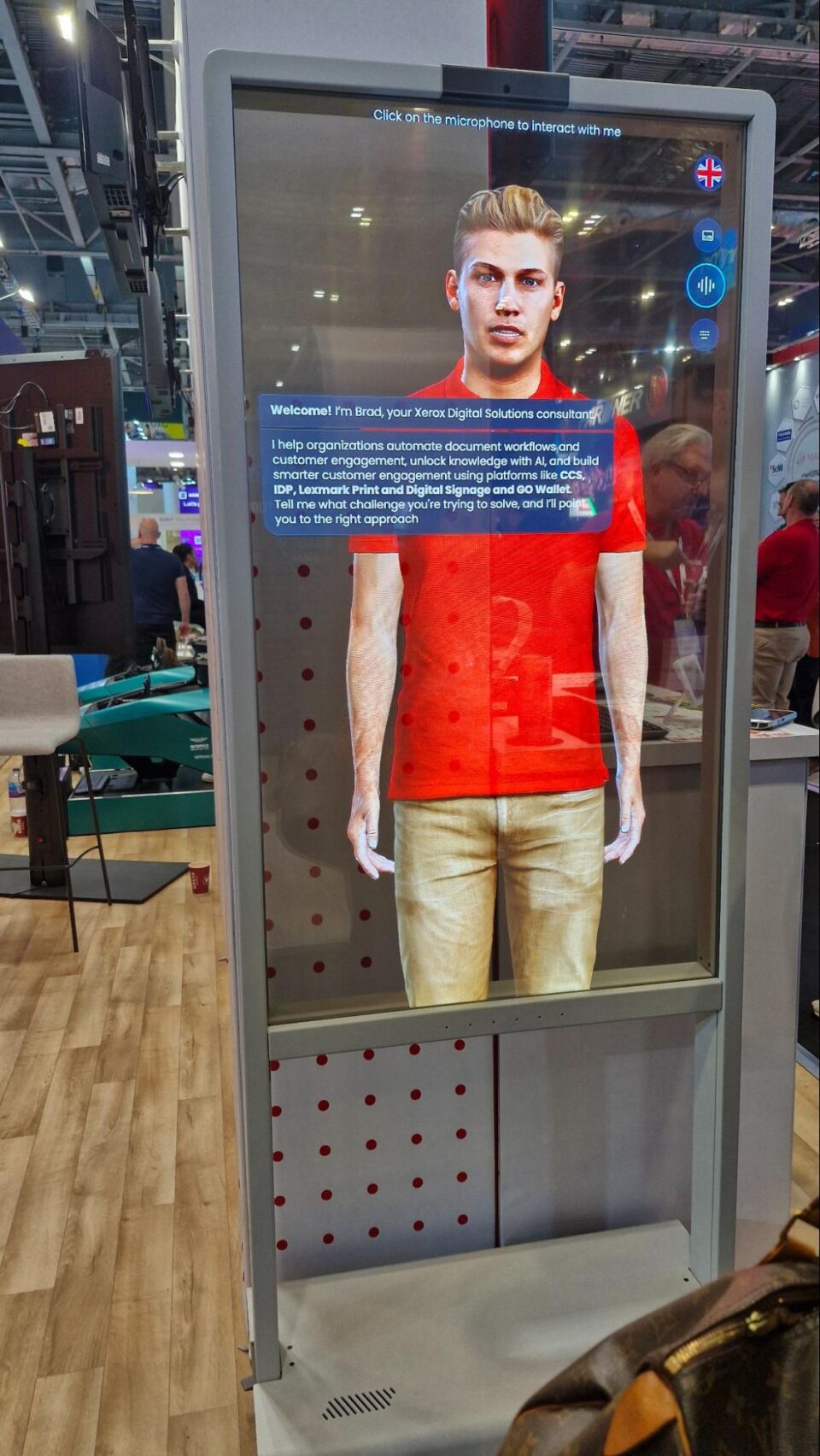
On the subject of AI, we saw plenty of tech companies making similar promises to use the tech to improve efficiency and streamline operations by managing and understanding data better.
With many positioned as a singular ecosystem that promises to bring everything together, this might be a sign that retailers’ data and tech is so fragmented and sprawling today – through the connection of more touchpoints and business functions – that retailers are struggling to manage everything.
Of course, the more tech systems that retailers incorporate, the more they need to manage, which drives up the need for tools to support them.
This is also playing out at an employee level where retailers are empowering their staff with more data and more information – some of it via agentic AI systems. And again, as the volume of input increases, tech companies are looking for ways to consolidate and streamline that data into more accessible ways.
Thoughts on impact
So, back to that question on the tech that will have the biggest impact this year.
As I said before, any answer I give is going to seem indecisive because genuinely it’s going to differ from retailer to retailer. Every retail business is in a different place with tech, they have different priorities, different levels of investment.
They’re not even all facing the same challenges, although there will be many commonalities.
If instead of focusing on the technology, I think about the conversations we’re having with retailers about their businesses and their wants and needs, then I see a different kind of tech impact happening.
Where tech companies have tended to be the ones ahead of retailers, trying to encourage them to embrace this new hardware or software, retailers actually now seem to be ahead of tech’s capabilities and the use cases that the tech businesses are exploring.
Perhaps this is the natural consequence of overinflating the capabilities of a tech like AI to the point where retailers think it’s a magic wand that can do anything.
Case in point – one recent conversation we’ve had with more than one client was about using AI to predict viral product trends before they happen. Yet, every AI exhibitor we spoke to indicated that this wasn’t yet feasible (although they could try to solve part of the piece).
And conferences like the Retail Technology Show are really important because they give retailers a chance to talk about these things with tech providers and share what would add value (everyone’s favourite slogan at the show) to their business.
So, rather than it being a single technology that has the biggest impact on retail this year, I think the real benefit will come from more of this open communication between parties.
Yes, tech companies will always be excited about their new developments and want to share them, but only by getting in step with retailers can they make sure that they’re creating tools that will have an impact.