
Retail openings
The 50 must know retail ideas of 2025
Animatronics, robots, AI, giant ships and corner shops are just some of the best retail ideas that we’ve come across in 2025.
We explore the visual elements that some retailers are successfully bringing to physical stores, with striking colours, social first design touches and augmented reality.
Technology also features heavily, as many stores are refining generative AI touches and automations. We also found some great accessibility ideas along with the use of data for store planning and monitoring environmental changes.
Pop-ups spanned visual sculptures and installations to sustainable storytelling and community activations, while flagships were adding streaming services, creating standalone spaces for specific products, and focusing on dedicated fans and communities.
Before you cast off 2025 entirely, these are the 50 retail ideas that we think you need to know about.
New approaches
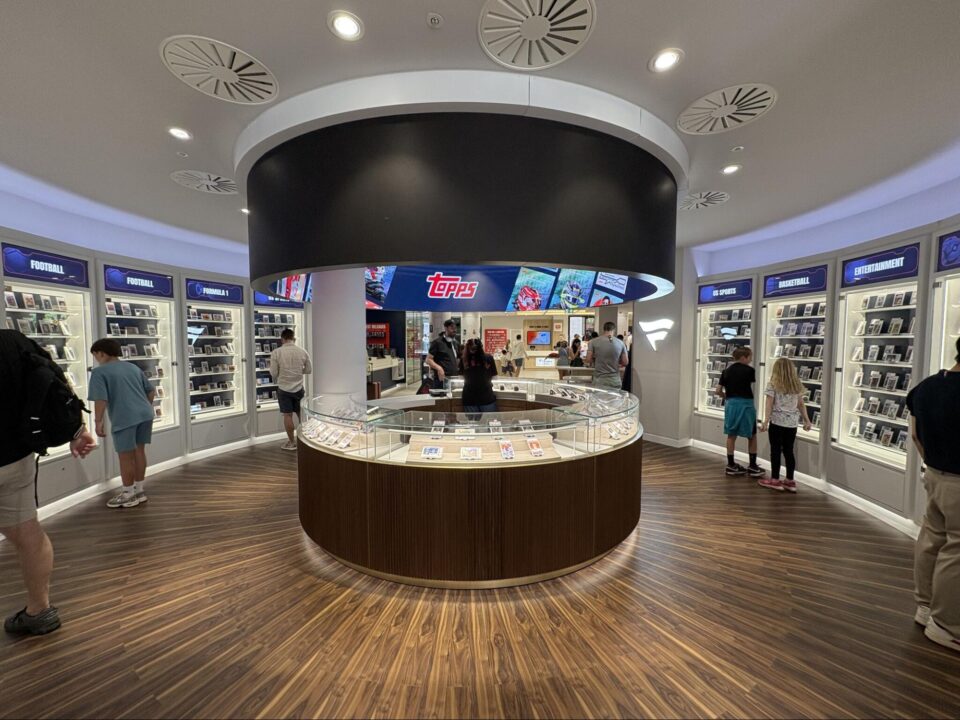
Image credit – Jack Stratten/Insider Trends
1. Fanatics, London, UK
Fanatics is a huge memorabilia and card brand, and its London flagship store introduced some interesting elements for the card collector community.
This includes a range of events, such as trading nights and signings, studios for filming the opening of card packs (called ‘breaking’), and card personalisation.
The space also includes a display of rare cards as a visual centrepiece, as well as the opportunity to buy clothing and other memorabilia.
A thoughtful addition aimed at the hobbyist community is the opportunity to do card swaps at the “leave one, take one wall”, allowing people to complete collections of specific cards.
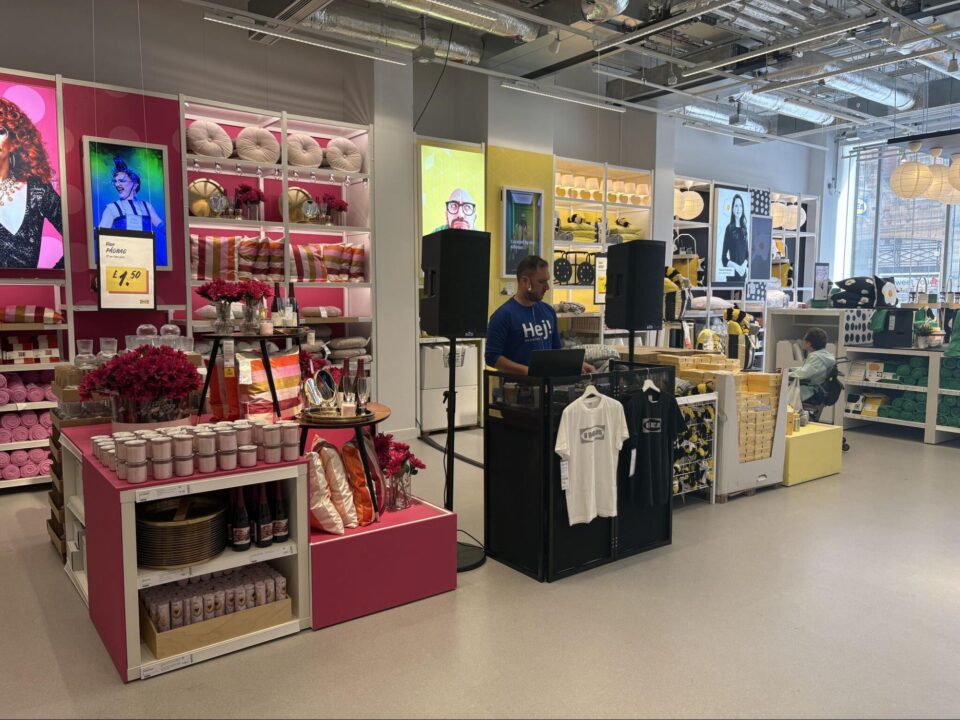
Image credit – Jack Stratten/Insider Trends
2. IKEA, Brighton, UK
Swedish furniture brand IKEA’s city centre store in Brighton was significant – partly because it sits within Churchill Square, a shopping centre bought by its parent company Ingka Group.
City centre IKEA stores provide greater accessibility to those who cannot drive to the giant IKEA stores and the ability to purchase items from a smaller format space. The range carried in these spaces is more tightly curated, providing a variety of small items of furniture and other home accessories, plus services like planning advice.
Everything is executed with a level of creative visual merchandising that belies IKEA’s price point, telling customers they can have more for less.
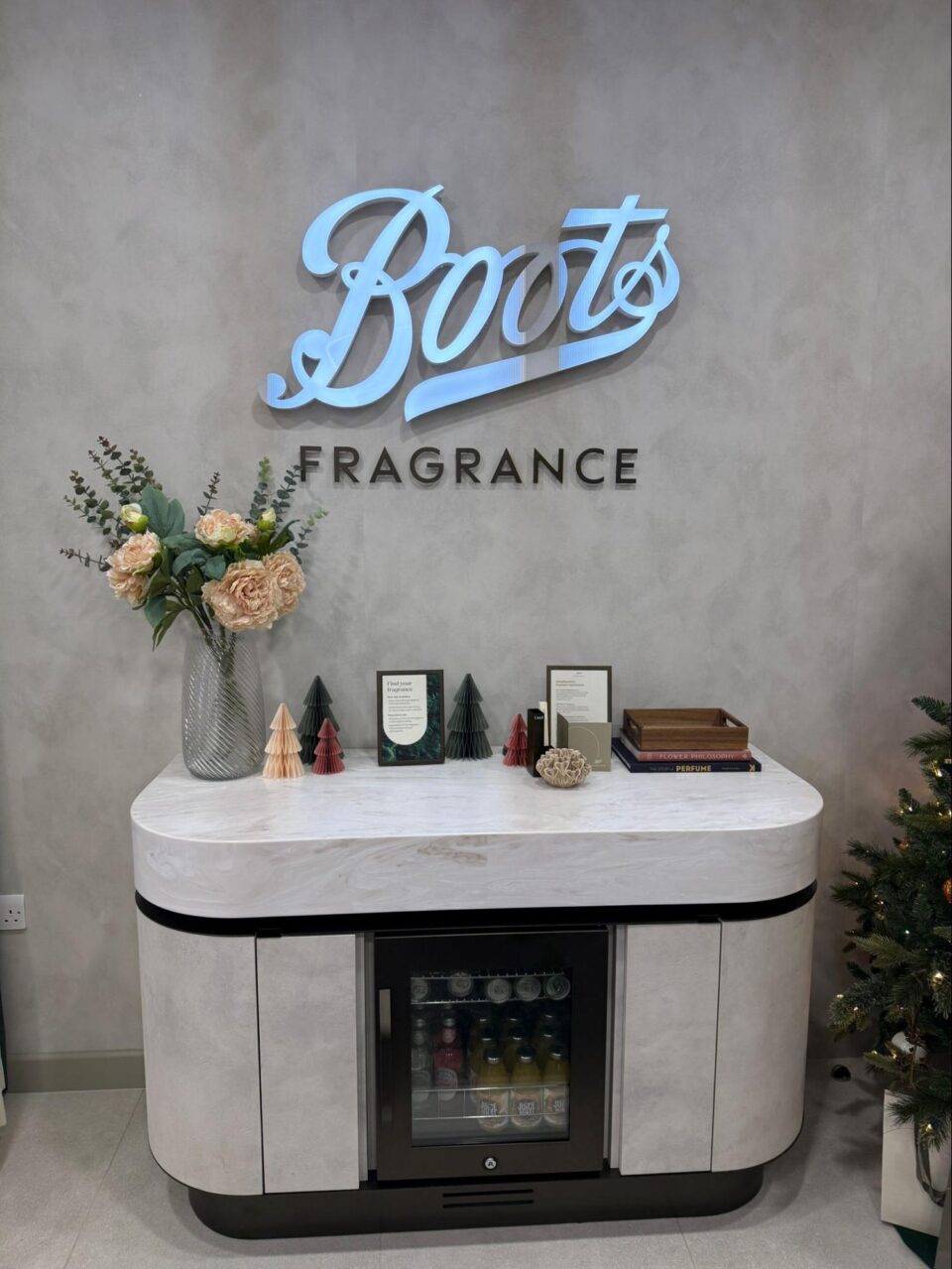
Image credit – Louise Best/Insider Trends
3. Boots Fragrance, London, UK
Boots introduced a new fragrance store concept in 2025.
The space follows the trend of customers looking for not only luxury scents but also niche scents. The result is a hand curated selection of 400 scents with new brands not previously offered in Boots stores now available, such as Orebella, Eric Parfums and BeauFort London.
Another interesting addition is the scent discovery experiences that are available for customers. These include finding a signature scent and wedding fragrances for couples, via consultation with Boots fragrance experts.
The physical store was supplemented with a new Fragrance Hub available online and via the Boots app.
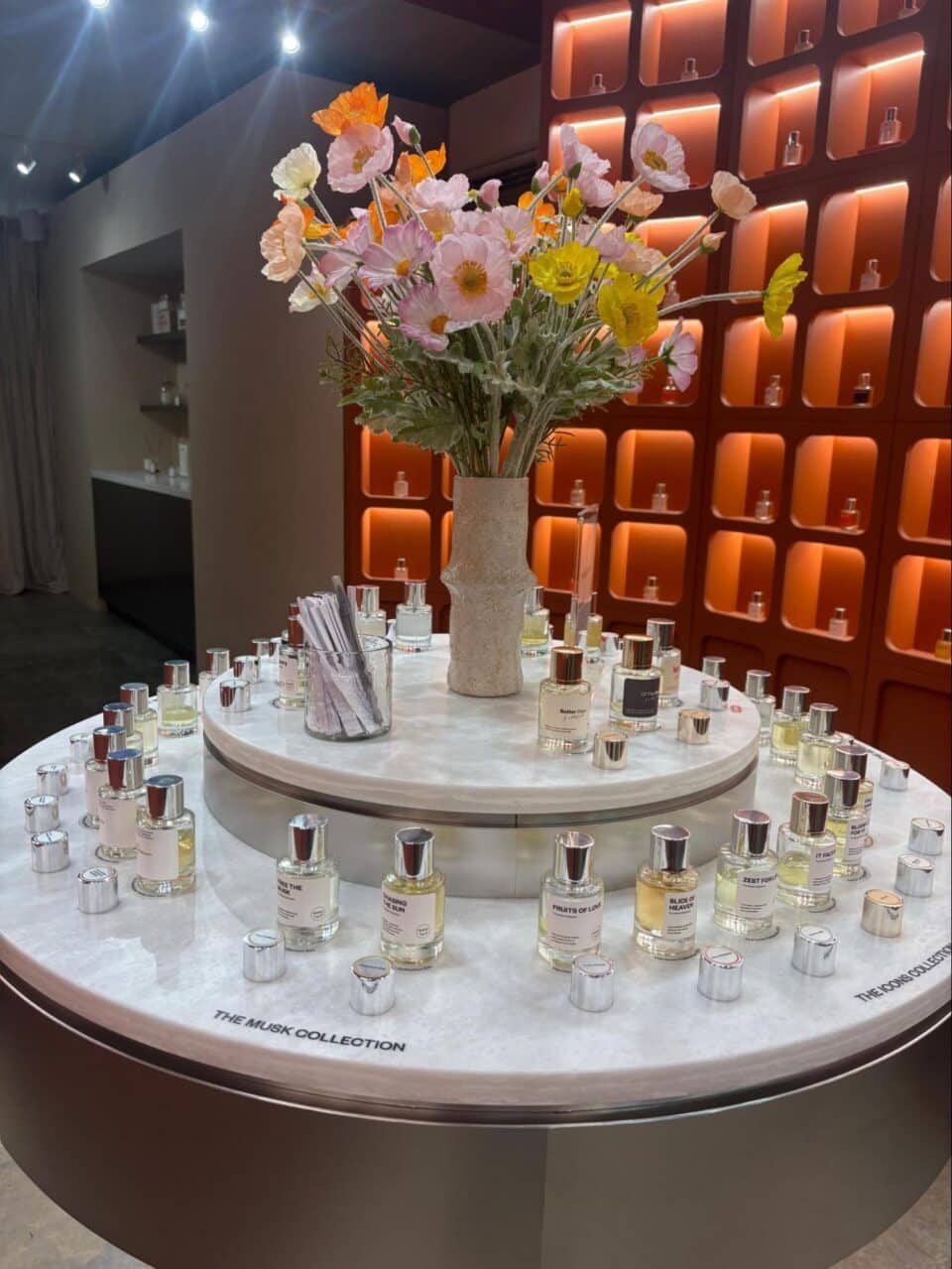
Image credit – Jack Stratten/Insider Trends
4. Dossier, New York, US
Popular fragrance dupe brand Dossier launched a new flagship store in New York, in a location populated by other fragrance brands.
Something new that the Dossier brand brings is the use of Paperscent, an innovative technology for sampling fragrances. It can be difficult for customers to get a proper idea of a scent if a number of different fragrances have been sprayed in the same area. Paperscent is a dispenser that provides cards with the fragrance already on them.
Another benefit for the brand is that it provides a more accurate record of the fragrances that customers have been sampling, enabling Dossier to track which perfumes are most popular.
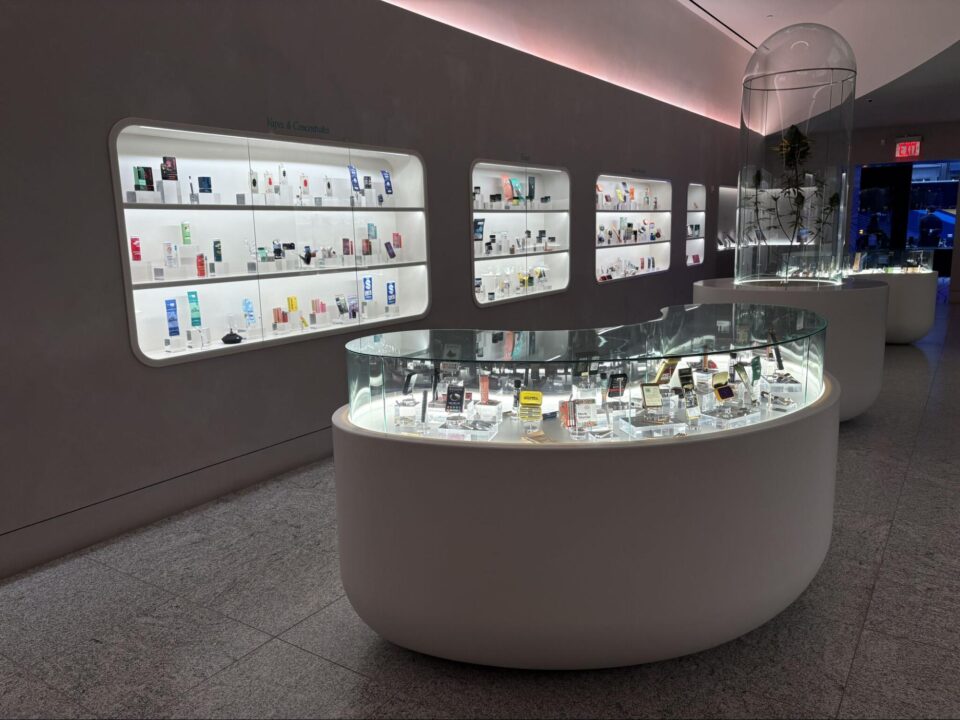
Image credit – Jack Stratten/Insider Trends
5. The Travel Agency: A Cannabis Store (Soho), New York, US
The Travel Agency seeks to change the way customers view purchasing cannabis and opened its fourth store this year in New York.
The brand collaborated with a number of architects, designers and artists, including Big Heavy Studios, Andrew Zolty, and Leong Leong Architecture, inspired by New York’s long history of art, to create a space that reflects the local culture as well as making it more elevated. The store contains sculptures, kinetic art, custom designs and other visual elements incorporating cannabis themes.
Matching the aesthetic, The Travel Agency offers a range of premium cannabis alongside staff expertise under the moniker “Budtenders”, who can guide both beginners and cannabis aficionados with knowledge of strains and profiles.
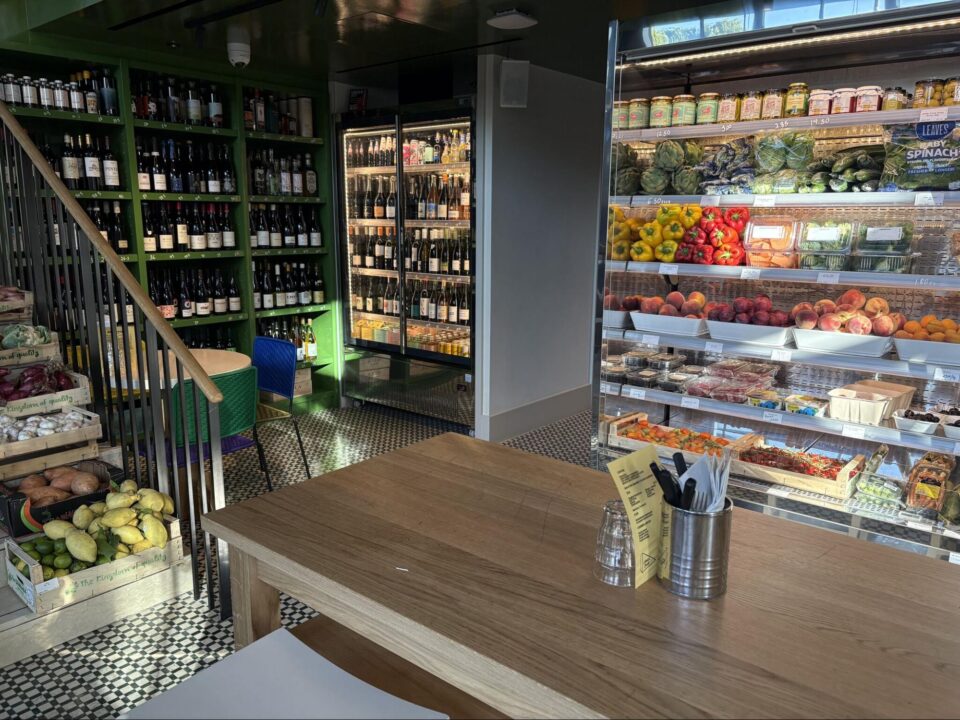
Image credit – Jack Stratten/Insider Trends
6. Corner Shop 180, London, UK
Members’ club and cultural hub Soho House and 180 Studios launched a new version of the British corner shop in London last year. It’s a brilliant example of how grocers and cafes are getting better at embracing the opportunity of blurring the lines between what they do.
So Corner Shop 180 is a space with an eat-in menu that makes sense at different times of the day, grab-and-go breakfast, drink and coffee options for morning commuters, a bar area with a fantastic wine list for later in the day and take-home options.
There is also a small, distinct mix of grocery products – mainly geared at dinner planning or accompaniments – including independent foods, wines, fresh fruit and vegetables, a butcher and in-store bakery.
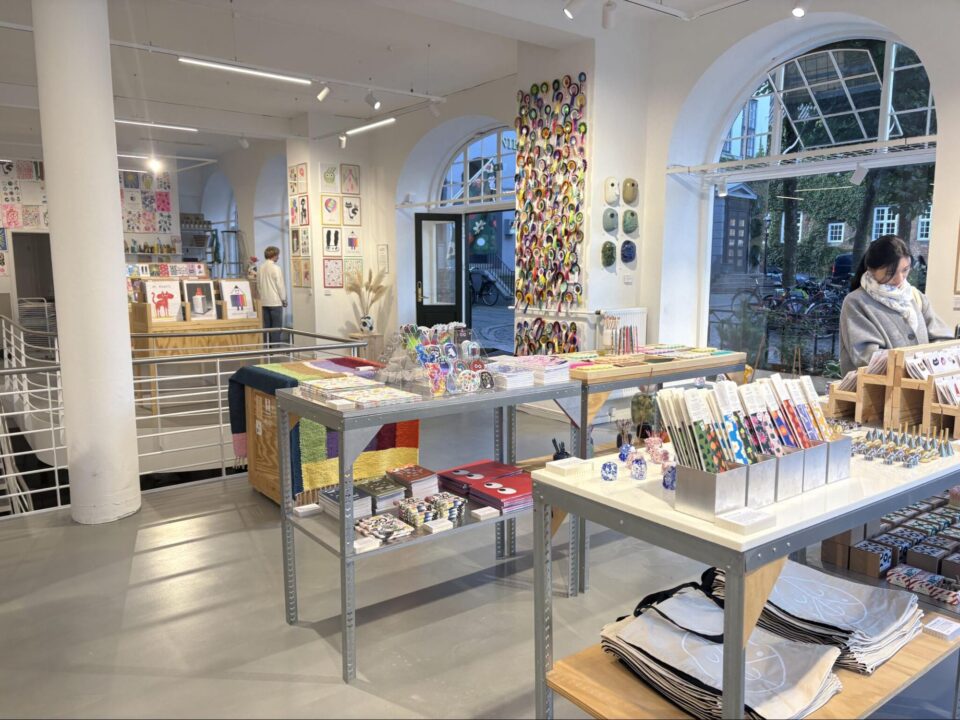
Image credit – Studio Arhoj Studio
7. Studio Arhoj Studio, Copenhagen, Denmark
As with Studio Arhoj’s first space just around the corner, this Studio site is part retail space and part ceramics and pottery manufacturing space.
Much of what is on display is made right here, which creates a relatively unique retail experience, where creation is shared with the customer.
The design of the space creates a pathway through the studio, allowing visitors to view the work being created, including glass blowing, risograph printing and pottery throwing. Demonstrating the craft process to customers helps them to feel closer to the work and value the items they purchase.
The studio also enables the store to offer unique and bespoke pieces at this location, that differ from some of the other stores owned by the brand.

Image credit – Jack Stratten/Insider Trends
8. Puma, London, UK
The new Puma flagship on Oxford Street is probably best described as a test space – you get a sense that the brand is experimenting with different concepts, technologies and strategic approaches in a global hotspot for traffic.
Digital innovations are a big part, including an immersive wall designed for showcasing the brand’s Nitro range that responds to touch. Additionally, there are areas for customers to customise their chosen products, as well as learn more about the history of Puma.
Collaboration is also a key element with an activation/events space at the front of the store to help build relationships in the community.
9. Alohas, London, UK
Sustainable footwear brand Alohas demonstrated its slow fashion ethos with its new store in London.
The brand aims to reduce the waste of stock and materials by offering on-demand ordering.
Customers can visit the store and browse a selection of designs and latest collections, which they can also try on. However, they then must order the design and size that they want, which is created and delivered to the customer directly, rather than purchasing immediately.
A limited number of very popular items are available for purchase. This demonstrates the value and the time needed to create products, with a focus on quality as opposed to abundance.
10. Søstrene Grene, London, UK
Danish brand Søstrene Grene is known for its interesting concept stores, and the one it launched in 2025 was related to engaging the senses.
The layout of the store provides an interesting visual experience as the height of the shelves creates a maze-like structure for customers to discover new products.
As with previous stores, there is an experience room, to allow customers to engage in something fun or creative. Other iterations have included walls that customers can draw on. The new Senses room promises to enable visitors to experience all five senses. This includes a scent area for the brand’s latest candle collection.
11. Our Legacy Work Shop, London
Sustainable fashion got a new concept in the most recent store from Our Legacy.
The space, called Work Shop, is located in a former historic workshop, used for leather making. This fits with the brand’s new concept to create products from deadstock and fabric scraps. These are combined with existing items, and vintage fabric to create new items. Inspiration comes from previous collections created by Our Legacy and vintage clothing. These are part of a display in the store, to demonstrate how fashion is cyclical and constantly borrowing from the past.
Our Legacy is also using this new concept in brand collaborations, getting access to their deadstock to create new looks. Brands so far include Armani, Converse and Dickies.
Visual merchandising
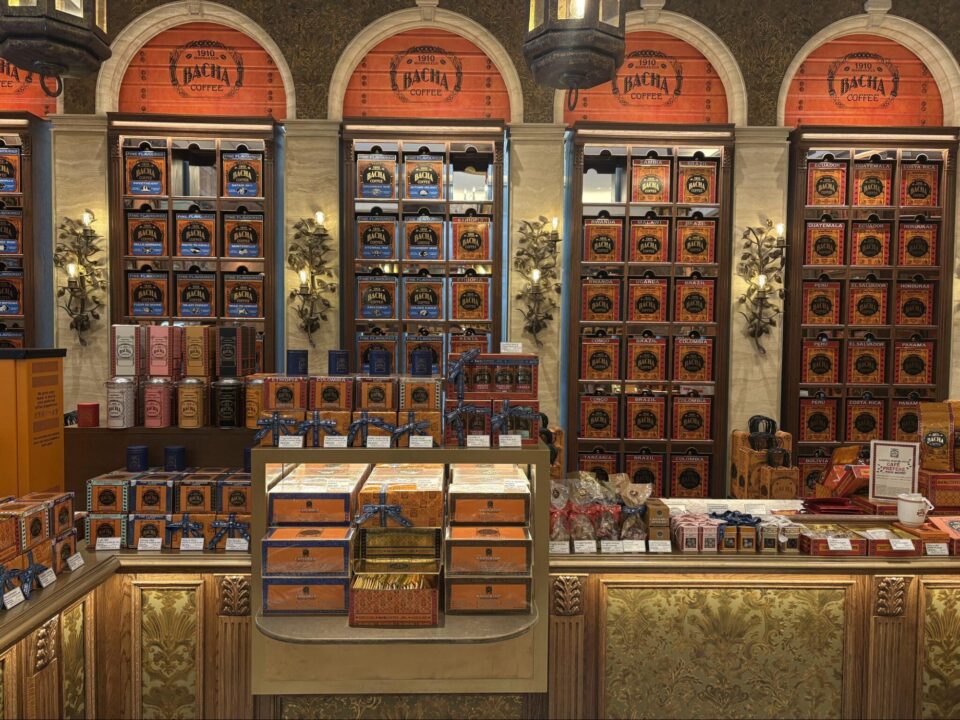
Image credit –
Jack Stratten/Insider Trends
12. Bacha Coffee, Paris, France
A new coffee flagship from Moroccan brand Bacha Coffee displayed the power of brand history in creating the right atmosphere for coffee.
The brand took its roots in Marrakech as the starting point, as well as influences from Parisian café culture, to create an opulent and luxurious space for coffee aficionados. Checkered tiled floors combined with Moroccan tiles and panels, rich wood lacquered ceilings and ornate chandeliers.
The space resembles a Moroccan palace and encourages a sense of relaxation, inviting people to sit and savour the coffee properly, compared to standard take away coffee.

Image credit – Jack Stratten/Insider Trends
13. Fwee, New York, US
Korean beauty brand Fwee opened a new store in New York with its playful and colourful take on visual displays.
It stands apart from other beauty brands with its colourful store, New York City motel style signs, and bright pink packaging. Rather than emphasising luxury or minimalism, it makes the brand feel young and fun, aligning with its younger consumers who discovered it on social media.
The sense of fun is also felt through the Scoop zone, which contains its most popular product: keychain size pots. Here, visitors can create a keychain with their favourite products.
14. Flabelus, Milan, Italy
Flabelus has become a fashion sensation with its handmade espadrilles in sumptuous fabrics, unusual colour combinations and embellishments.
Its latest store in Milan, The Sculpture, has been designed to complement the products. The store, like the shoes, involves work by hand, such as the hand-painted designs inside. There are artistic details like coloured tiles, seating areas matching the fabric used in shoes, and thoughtful lighting details, to add interest to the space.
15. Miniso Space, Nanjing, China
A colourful circus-like store launched in China from Miniso, a lifestyle brand specialising in pop culture products and soft toys.
The product displays are designed to resemble rides with bold colours and lighting, showcasing the brand’s most popular ranges, such as Sanrio, Harry Potter and Disney. The store layout encourages visitors to explore products for each collection, such as the Diagon Alley space for the Harry Potter IP.
The colourful format of the store also provides visitors with plenty of opportunities for selfies.
16. TWELVE at House of Shinsegae Cheongdam, Seoul, South Korea
A new food hall concept arrived in Seoul, from the Shinsegae Department Store.
The space, called Twelve at House of Shinsegae Cheongdam, has reimagined grocery shopping by applying tactics from fashion and beauty merchandising. Products are displayed to be visually striking, with a focus on the colour and texture, such as the fresh produce area having lemons and carrots prominently featured.
Twelve primarily is targeted at those interested in wellness and a healthy lifestyle, so the products on offer reflect this. This includes the on-site Wonder Bar where customers can get smoothies and juices for a health boost.
Digital retail and tech
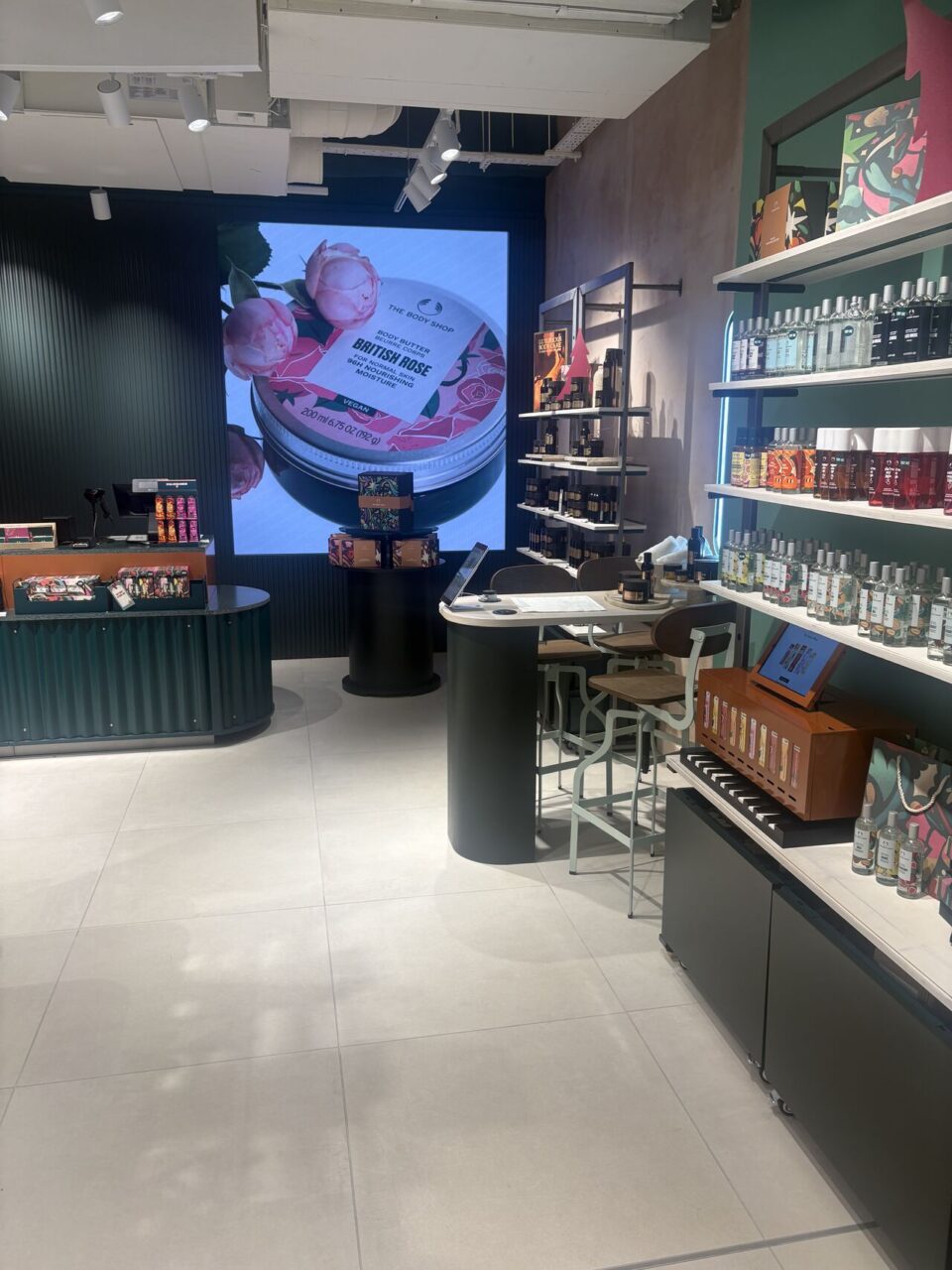
Image credit – Jack Stratten/Insider Trends
17. The Body Shop (Oxford Street), London, UK
The Body Shop staged a comeback last year by incorporating technology into its natural beauty led ethos.
The AI-supported skin analysis tool, which was created in-house, is probably the best, quickest and most intuitive we’ve seen. It uses facial mapping to create a personal analysis, including identifying any issues with the skin. It then provides a list of product recommendations tailored to the customer and their particular skincare needs, but we found it worked best as a conversation starter with staff.
Other interactive features include the scent piano, which is a new concept for the brand. This enables visitors to learn more about the store’s collection of fragrances, including the ingredients. Customers can also test scents here too.
18. 113 Spring, New York, US
This New York wellness space, 113 Spring, incorporates technology into its store in a unique way.
The design of the store is centred around changing themes, such as art installations, seasons and the circadian rhythm. The brand wanted to create a living building that can adjust depending on the people and the environment.
A bespoke digital programme was created for the role, called SpringOS. The programme is able to collect data and information about the environment, such as the temperature, patterns of movement and people, to adjust and curate with the optimal atmosphere, as well as provide information, activations and displays.
113 Spring sees this as a new way to do retail, which works with people, supporting their energy and wellness needs within a calm environment.
19. Amazon Rufus
Amazon Rufus, a digital shopping assistant named after an employee’s Welsh corgi, came to the UK last year.
While Amazon has long used AI to create customer recommendations, within its warehouses, and as part of personal assistant Alexa, it is now adding generative AI to the list through Rufus.
Rufus functions in some ways like a typical search engine, but encourages customers to ask the questions within Amazon. This may include finding out items that they need for a specific activity or event, comparing products, exploring general product categories, or finding product recommendations. Finally, customers can find out more information about a specific product, either by asking questions or looking at the generative AI insights that summarise the reviews.
20. Tm:rw, New York, US
Tm:rw, a new technology focused space that opened in New York, aims to bring innovation to retail.
It sees itself as a playground space for testing and displaying the most creative uses of tech from over 140 tech brands, alongside enabling storytelling and interactivity.
Highlights included a special 3D hologram, the largest created for the retail space to date, along with an AI avatar, from Hypervsn; the world’s first transparent TV created by LG; and a VR simulation for experiencing flying, from VR brand Birdly.
21. Target accessible self-checkout
The move to touch screens and digital first shopping experiences can present difficulties for disabled customers without thoughtful and accessible design. Target has attempted to address these issues by releasing a new accessible self-checkout, in partnership with the National Federation of the Blind.
The checkout includes aspects that can support people with low vision, such as the use of high contrast for colours and buttons. It also includes physical buttons with braille, to enable customers to navigate options and find out more information. Additionally, there are audio streams, adjustable volume buttons, and tactile controls.
22. GGLS store by Good Gang Labs, Seoul, South Korea
A new store with an AI focus launched in Seoul, courtesy of AI avatar startup Good Gang Labs.
The space enables visitors to interact with AI avatar experiences, using different technology developed by Good Gang Labs. This includes text-to-speech and vice versa functionality, and the use of small language models. These types of models can be used for focused shopping experiences, for example, to provide recommendations personalised to the customer, and analysing preferences.
The store bills its AI avatar models as “the next era of AI commerce”, where customers can interact with an avatar in store to purchase real products.
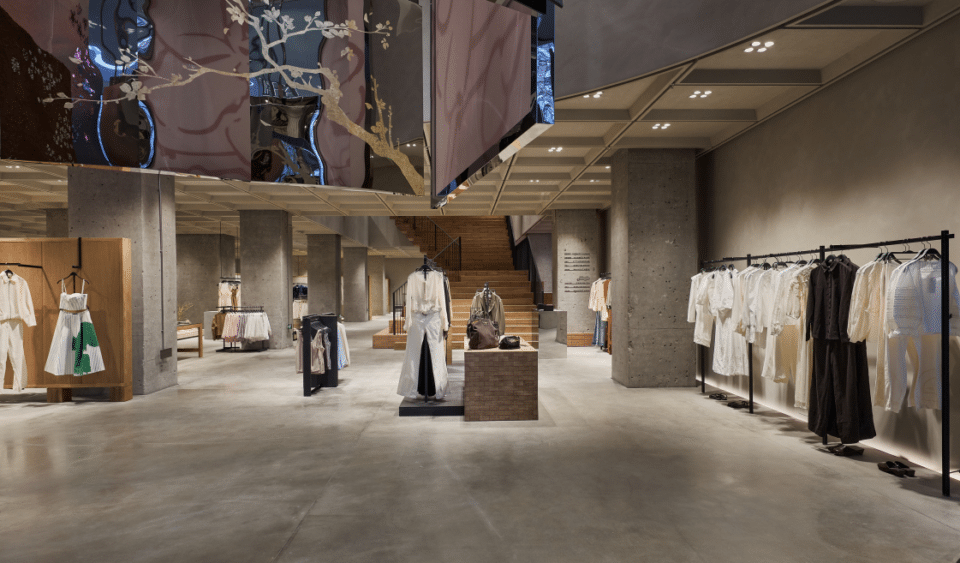
Image credit – Zara
23. Zara, Nanjing, China
The new Zara store in Nanjing introduced a range of thoughtful technology experiences, aimed both at customers who need to purchase quickly and those who may want to spend more time exploring.
Firstly, the store collaborated with contemporary artist Jujuwang to create a special art installation incorporating Chinese traditional music and artwork inspired by Three Variations on the Plum Blossom. Elsewhere in the store, the Zara Fit Check area enables customers to try on different looks and record videos. Customers can then access and save these videos to create a look book of their style choices.
For customers prioritising speed, the store has an automated clothing system that transports and processes clothing quickly, freeing up staff to serve customers. There are also vending machines available for customers to buy basics quickly, with no need to visit the tills.
24. Real x Lawson, Tokyo, Japan
AI has been embedded within this concept store in Japan, alongside a range of robots.
The space, from convenience store brand Lawson, has a futuristic design as the perfect setting for the variety of robots, used for cleaning, cooking, and stock replenishment.
AI forms part of the digital displays in the store that provide personalised recommendations, and further information about the products available in store. For example, an AI interaction may occur at the shelf signage if a customer has been browsing products for a while. AI is also used to help shift the displays and environment of the stores using external data to provide weather and travel updates, and seasonal lighting.
3D AI avatars can be found at the self-checkout, which is operated remotely, and can help to save time for aspects that require staff, like age checks.
Finally, AI is used as part of the store analysis, enabling the brand to gather data and create plans which take into account customer flow and staff work patterns, along with sales and stock levels, for managers to use in decision-making.
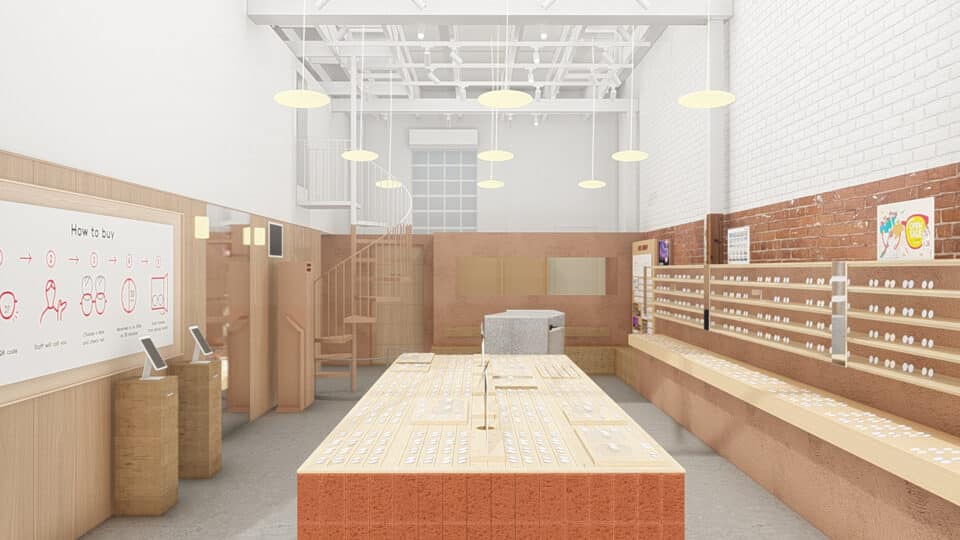
Image credit – JINS
25. JINS, Los Angeles, US
A digital first approach is being used in the latest concept store from JINS, a Japanese eyewear brand.
The process begins when a customer scans a QR code near a product, such as frames or cases. They are provided with more information, and then can follow up with trained members of staff for a consultation, to help select lenses and fit and adjust the frames.
This speeds up the process of choosing and fitting eyewear, with custom prescriptions able to be created and processed within 30 minutes for customers to collect in-store or have delivered.
Pop-ups
26. Muji Muji 5.5, Milan, Italy
Milan Design Week saw the arrival of a pop-up called Manifesto House, part of a collaboration between Muji and Studio 5.5.
The space was designed to showcase a sustainable and low-impact way of living, a small calm area of nature within a city environment. The pop-up had a sloped roof to enable the collection of rainwater, the insulation used recycled textiles, and a food garden.
As part of the collaboration, there were 12 new products created, using recycled Muji items, such as a tray cart, hollow shelf, box lamp and bird house. Studio 5.5 also created design plans for the products to encourage visitors to make their own versions.
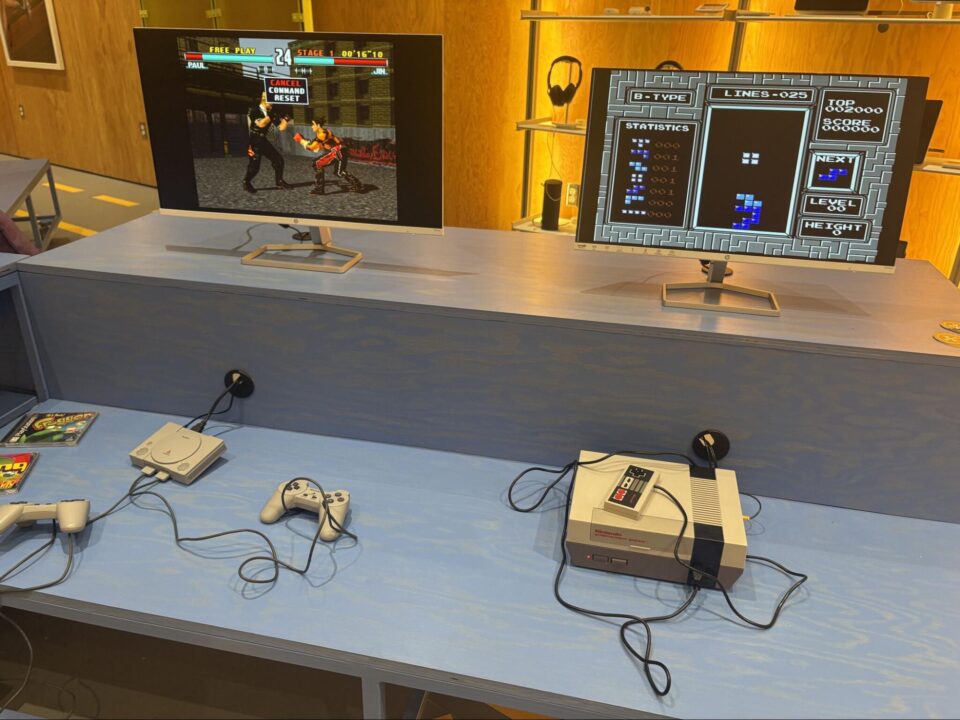
Image credit – Jack Stratten/Insider Trends
27. Back Market, New York, US
A refurbished electronics pop-up was open until December from Back Market.
Younger generations have tended to be more sustainable and the brand aimed to enable visitors the ability to examine refurbished products in more detail. A number of interactive displays encouraged customers to see whether they could tell the difference between a refurbished product and a new one. Displays explained how products were refurbished and how they are graded to provide more transparency to visitors.
The Innovation Lab allowed customers to bring in their own tech products for diagnostic testing, while the Tech Spa provided cleaning services and products for customers to purchase. There were also repair services for customers to get screens fixed and encourage them to keep devices for longer.
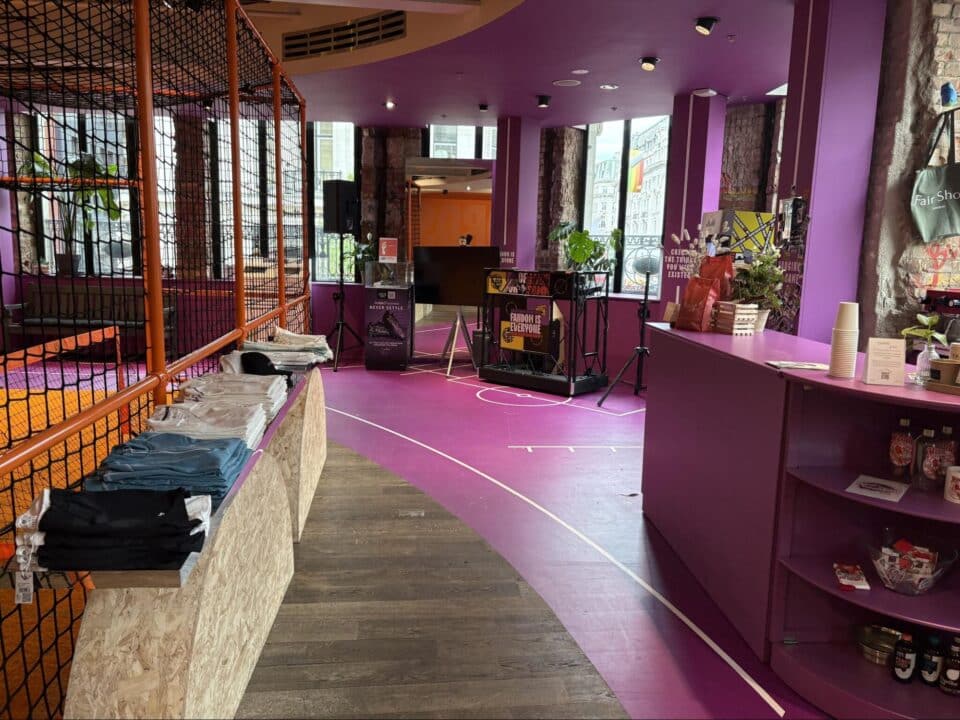
Image credit – Jack Stratten/Insider Trends
28. Style of Our Own (Mastercard and IDA Sports), London, UK
Last year, Westminster City Council’s Meanwhile On project gave creators and independent brands an opportunity to launch stores in Central London.
Style of Our Own was one of these projects which featured sports products for women, featuring over 20 previously online only brands. The space included a sports pitch for visitors to test the equipment and clothing in person.
The project also aimed to build community, providing a range of talks of interest to female athletes, such as the impact of hormones on sports, workshops and football watch parties.
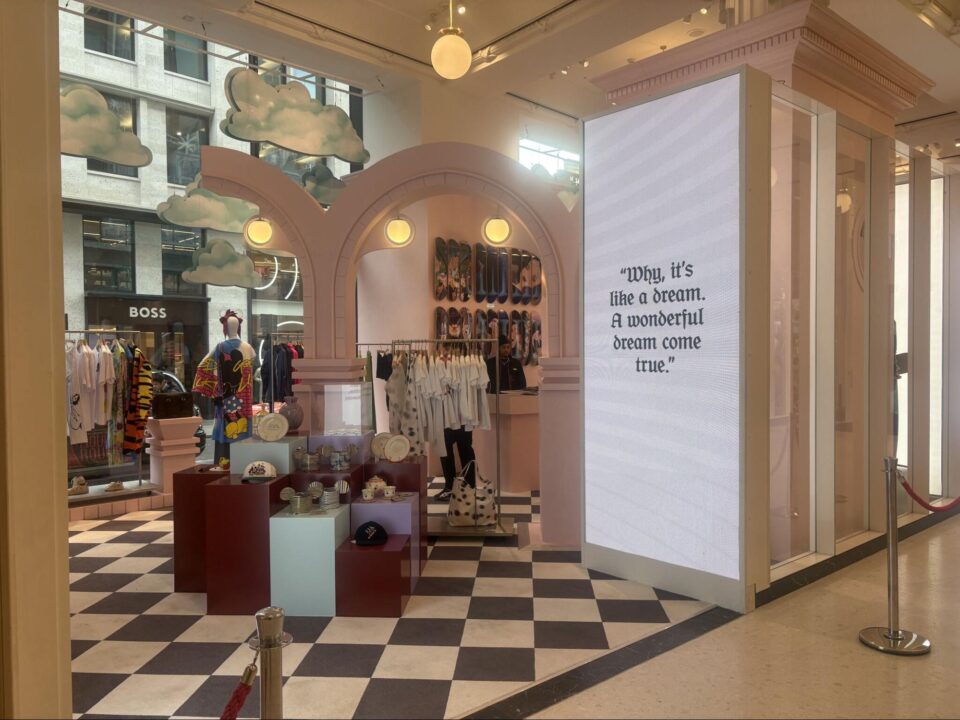
Image credit – Jack Stratten/Insider Trends
29. Selfridges/Disney ‘A Most Magical Christmas’, London, UK
Collaborations between big and well-known brands can result in some of the most creative pop-ups.
Selfridges and Disney collaborated on a Christmas pop-up in London’s Oxford Street, with a huge light display featuring iconic Disney characters and motifs, such as Tinker Bell’s pixie dust and Cinderella’s carriage. The display included music, concept art and interactive windows featuring Disney characters for customers to discover.
Dance shows, singing performances and DJ sets also formed part of the pop-up, incorporating characters like Mickey Mouse alongside Santa. The Selfridges afternoon tea had a Disney twist with the inclusion of new Disney film screenings.
30. Fiorucci AR pop-up, Milan, Italy
AR technology was used to create a digital revival of the Fiorucci Milan store, which closed in 2003.
The brand created a QR code at the former site of the store, which enabled visitors to access virtual pop-up for a week.
The pop-up captured the essence of the original store, which had a striking 60s design along with pop culture references. There were three interactive rooms for people to visit, demonstrating how the brand is now using technology. The pop-up serves as an extension of the brand’s new collection and virtual store launch.
31. La Fontana Di Peroni, London, UK
One striking pop-up that appeared in the UK in December 2025 was from beer brand Peroni Nastro Azzuro.
The brand created a special fountain that made it seem that water was being turned into beer called La Fontana di Peroni. The effect was created with an installation that hid a dispenser within the fountain, giving the appearance that turning the tap was drawing up water and transforming it into beer.
The location of the fountain was placed at a point where visitors would be able to enjoy the views of the London skyline, making the pop-up have the feel of a historic or cultural exhibit.
32. Gymshark Londrette, London, UK
A number of brands are trying to build community, particularly within sports and fitness wear retail. Gymshark is one of the most successful ones.
It wanted to connect with the Hyrox fitness community, a competition combining running with workouts. As part of the competition, finishers receive a patch for their clothing, but these often get put in a drawer or somewhere else because finishers don’t know what to do with them.
The pop-up, Gymshark Londrette, was targeted at Hyrox finishers offering tailored services in a space styled like a vintage laundrette.
Hyrox athletes visiting the pop-up could wash their gear, have Hyrox patches sewn onto their clothing or other items, and receive a Puresport drink in a washing powder style carton.
33. Hoka Run Stop Corner Shop, London, UK
Another brand connecting with athletes was sportswear brand Hoka.
The brand created an East London pop-up corner shop filled with essential items for runners.
The corner shop even contained an ATM within the store for receiving Hokens, Hoka tokens, to use to purchase items in store. Items available included snacks, padded shoes, and even scratch cards.
A special hidden entrance at the back of the store enabled visitors to discover the brand’s latest Bondi 9 running shoe.
Flagship stores
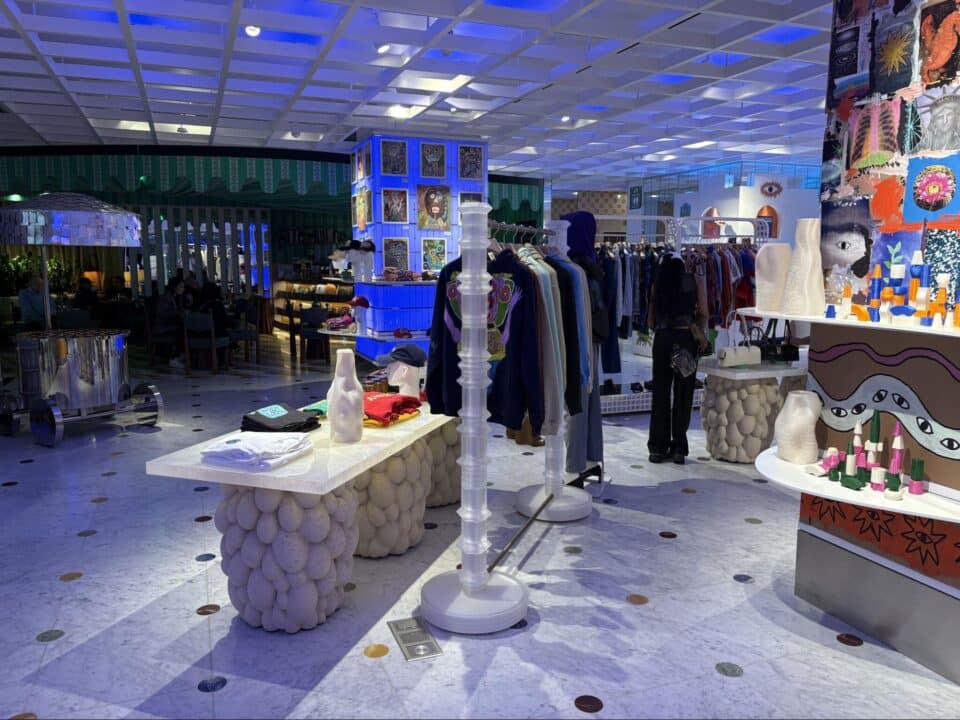
Image credit – Jack Stratten/Insider Trends
34. Printemps, New York, US
Luxury brand Printemps launched a new department store in New York by creating a Parisian living space.
The store uses zoning in an effective way to help customers explore products or showcase them within beautiful surroundings.
So, a tiled green bathroom, called the Apothecary, contained beauty products and a bedroom space, with large lace style installations, created a dream-like quality. Called the Red Room, this space contained footwear and collaborations. The Playroom features clothing, gifts and a café, is designed with playfulness in mind, containing sculptures and light installations.
Throughout the space are five carefully designed cafes, bars and restaurants so that regardless of where a customer finds themselves, there is somewhere to relax nearby.
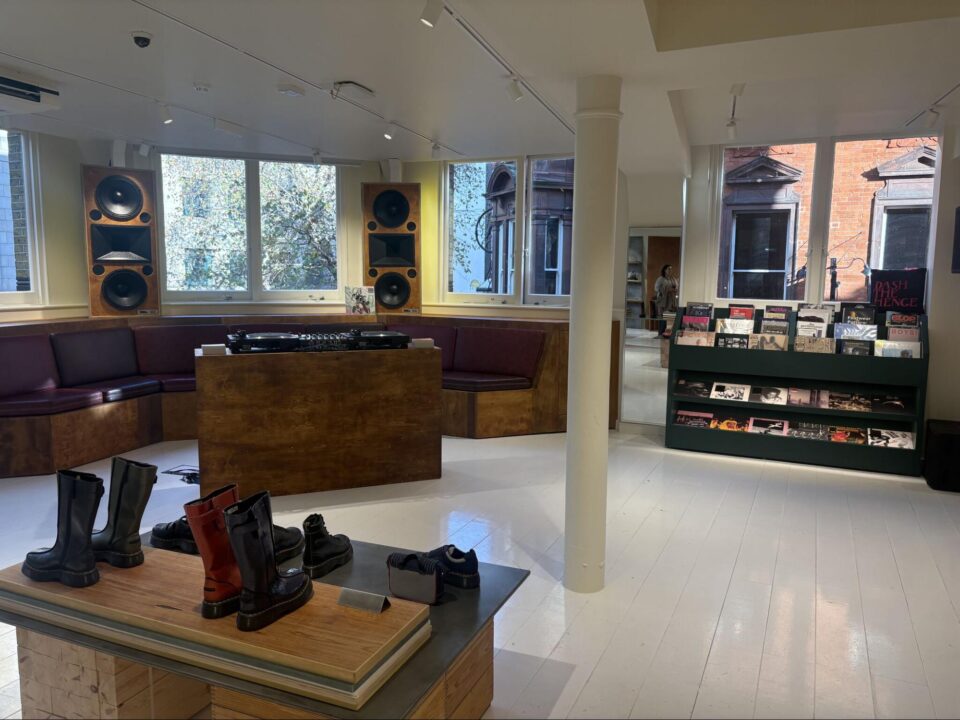
Image credit – Jack Stratten/Insider Trends
35. Dr Martens, London, UK
There is a craft and repair spirit amongst some fashion retailers, and Dr Martens latest concept store in Soho’s Brewer Street fits alongside this.
While the store does have a retail space to purchase the full Dr Martens range, the main focus is the community and craft aspects of this space.
The Alt Craft Bar enables customers to bring their existing shoes and boots in for repair and customisation. The brand has also partnered with Secondbest Studios to deliver a range of workshops on more intensive shoe customisation, such as soldering with iron, and dyeing suede.
A café, called the Doctor’s Orders, seeks to recreate the café the brand originally had in Covent Garden, and is also a collaboration with local bakeries Luminary and Dusty Knuckle.
36. RH Gallery, Paris, France
Luxury brands often now aim to provide customers with something more than a retail space, and some have played with the idea of creating gallery-like spaces.
However, luxury homeware brand RH has gone much further with an entire building that resembles a gallery. The space was redesigned to include a glass lift in an invisible shaft, golden gates, and other architectural features. Fittingly, the entrance leads to a library that contains rare architecture books, including those by Marcus Vitruvius, as well as other design classics.
The gallery is spread across seven levels, with each floor containing an exhibit of a particular artist. Alongside sculptures, abstract pieces and statues, is a curated selection of RH homeware and furnishings.
37. Rituals Mind Oasis, London, UK
Another alternative to retail space for beauty brands is the spa.
Rituals is one of the best examples, launching a standalone Mind Oasis spa and sanctuary in London.
The spa is focused on providing scientifically based beauty treatments in an immersive space for customers to fully relax. Dedicated spaces can ensure that a service feels authentic and committed, rather than an afterthought or additional aspect provided in a typical store. It also means that the customers are able to relax and unwind within the space, while having treatments.
The spa does provide an opportunity for customers to purchase Rituals products, but after they have finished their treatments.
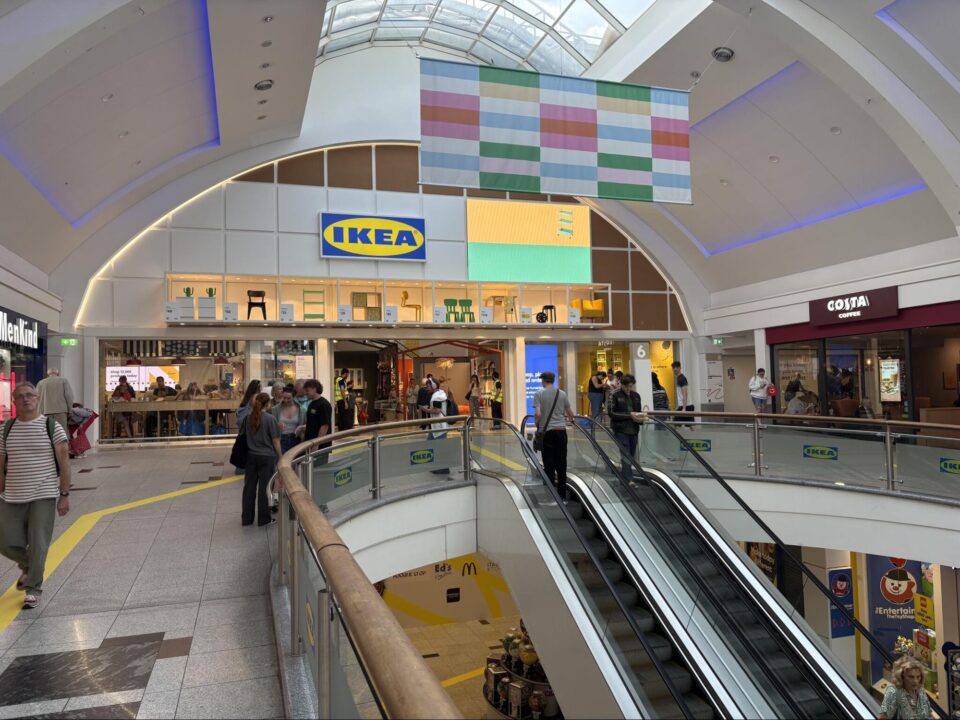
Image credit – Jack Stratten/Insider Trends
38. IKEA, London, UK
IKEA made a second entry on this list with its city inspired concept store.
This space connects with communities in London, and tries to address the issues that people living in the city may face (smaller homes, flats).
The brand engaged with Londoners to find out more about their living spaces, creating zoned areas that capture the real layouts of London homes, to inspire other people living in the city.
The store also includes three shops with a selection of products curated by Londoners, and a Live Studio area, which broadcasts events, exhibitions and activities in the local area.
39. Haus Nowhere, Seoul, South Korea
Haus Nowhere is the immersive space for a number of brands owned by IICombined, including Gentle Monster.
There are very few brands doing animatronic installations and sculptures like IICombined and Haus Nowhere does not disappoint. A chainmail covered dog, an old man with a collection of bin bags and the Painted Giants are among the pieces that visitors can look at as they enter.
The products themselves are as unique as the sculptures. Tamburins created a puppy perfume, along with an AI Twin outfit generator, for the launch of its perfume Sunshine. The Nudake Teahouse has a lobster tail shaped desert, combining seafood and chocolate.
Image credit – Jack Stratten/Insider Trends
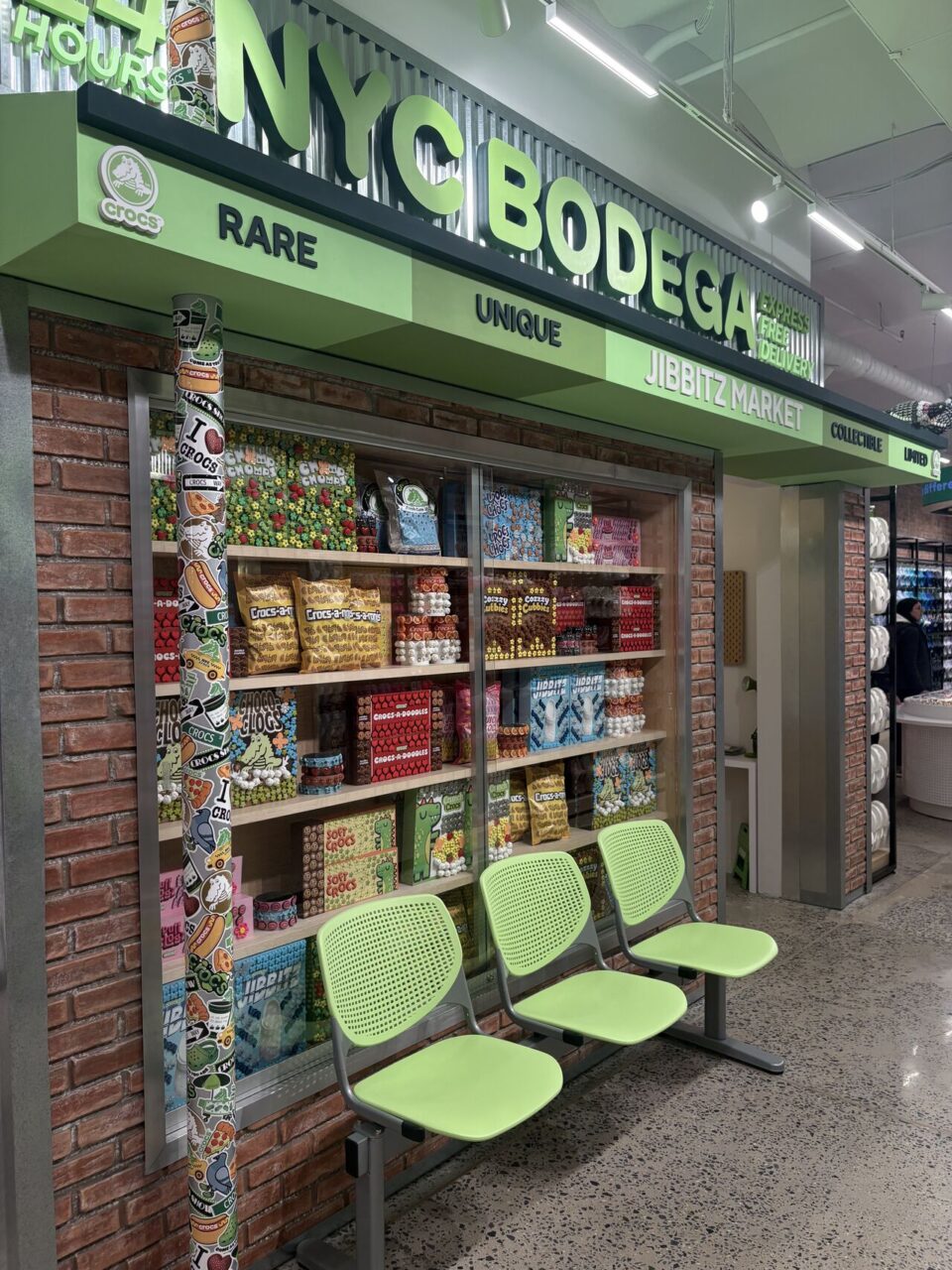
40. Crocs, New York, US
Stores that resemble nostalgic versions of previous spaces are a concept that we have seen other retailers play with in pop-up formats.
However, Crocs has incorporated elements of this within its Soho store. These nostalgic elements can provide a fresh appeal to younger generations, while also paying homage to the history and culture of the area.
The brand built an NYC style bodega inside its store that houses the Jibbitz market, a space for special edition and bespoke charms for Crocs. These charms include New York specific ones, such as a pizza slice, as well as luxury Swarovski crystal charms.
41. Sheep Inc, London, UK
Sheep Inc’s store aimed to provide storytelling to educate customers about product journeys, from farm to shop.
The brand approached this with a spirit of fun and collaboration with designer James Shaw, creating a range of rooms and installations for customers to explore materials and textures, and learn more about products.
The Softcore Room allows customers to touch wool and sheep mannequins, while listening to soundscapes, and includes chairs created from felled trees in Camden.
Sheep Inc wants to encourage people to think about their clothing, about how waste can be used to create something useful, and the lengthy process to create good quality items.
42. Monclos, Seoul, South Korea
Beauty brand Monclos launched a new store in Seoul with the concept of creating a tranquil space, away from the bustle of everyday living.
It achieves this through the inclusion of a mini-garden, which is found after visiting the home fragrance zone. The mini-garden provides a changing backdrop for the home fragrance areas, and helps customers connect the scent notes of Monclos fragrances with details in the garden. It also provides a space of relaxation and peaceful calm for visitors to the store.
Other aspects of the store are laid out like a Hannam-dong home, with shoppers able to explore hair and body products, and gifts throughout the space.
43. Aigle, Paris, France
Cocoon, the new concept store from Aigle, an outdoor brand, focuses on sustainability and customer education.
The focal point of the store contains the Rubber Forest, a dome structure made of rubber, which displays details of the brand’s manufacturing process. This includes technical data on shoes and boots with further information, such as a virtual factory tour, available via QR code.
Aigle’s CSR vision is expanded upon in the Earth for Tomorrow space for visitors to learn more about the brand’s commitments, such as the recycled area Second Souffle, upcycled products (fishing net coat), and its collaboration with Green Wolf to develop repair services.
44. House of H&M, Shanghai, China
The Shanghai flagship, House of H&M, from fast fashion brand H&M introduces the brand’s very first streaming concept.
The space contains a livestream studio developed for broadcasting on Douyin, the Chinese version of TikTok. The brand sees this as a hub and entertainment space, where it can be used not only for brand focused activities, but also collaborations with the wider fashion community, influencers and celebrities. The House of H&M has its own Douyin account, giving it more freedom to create a concept separate from the main brand channels.
45. Pureseoul, London, UK
Korean beauty has become a huge market in the UK, with the popularity of viral beauty trends emphasising dewy and glass skin.
The store leans into this virality and sense of community around the brand, ensuring that the design of the store provides an enticing backdrop for those wanting to take selfies or videos in-store, and using a signature pastel blue colour throughout.
Other fun (and potentially social media suitable) activities include a pop-up space containing games and new product launches. The masterclass zone will host workshops and other beauty events in order to connect more deeply with K-beauty fans.
46. MAC, Nanjing, China
Mac celebrated its 20 years in China by creating a new concept for its Deji Plaza flagship.
Collaborating with Li Xiang, the brand created a deconstructed piano that functions as both sculptural centrepiece and product display. The ceiling resembles the strings of the piano interior, lipsticks cases are black piano keys, and tuning knobs are eye makeup palettes. The concept was that lipstick is the key feature of makeup, with Li Xiang comparing it to piano chords.
Other interesting features within the store include a dedicated Art Studio space featuring AR mirrors for customers to virtually test products and areas for co-creating beauty looks.
47. Aroma-Zone, London, UK
Aroma-Zone is a natural beauty brand and its debut store in London focuses on helping customers understand the products and what they can do for their skin.
With such a wide variety of products (over 500) as well as the ability to focus on ingredients in the AZ Lab and create bespoke formulas, it’s essential that customers are able to select the products that suit their skin best.
The brand has used colour coding to create a pathway through the products and the different ranges, leading them to treatments they can buy off the shelf. Trained beauty staff are also available to provide further guidance to customers. Once they understand more about their own skin needs, the booster bars allow them to access specific ingredients for more targeted treatments.
Alongside the design, Aroma-Zone will host workshops and events for visitors to learn more about wellness and beauty.
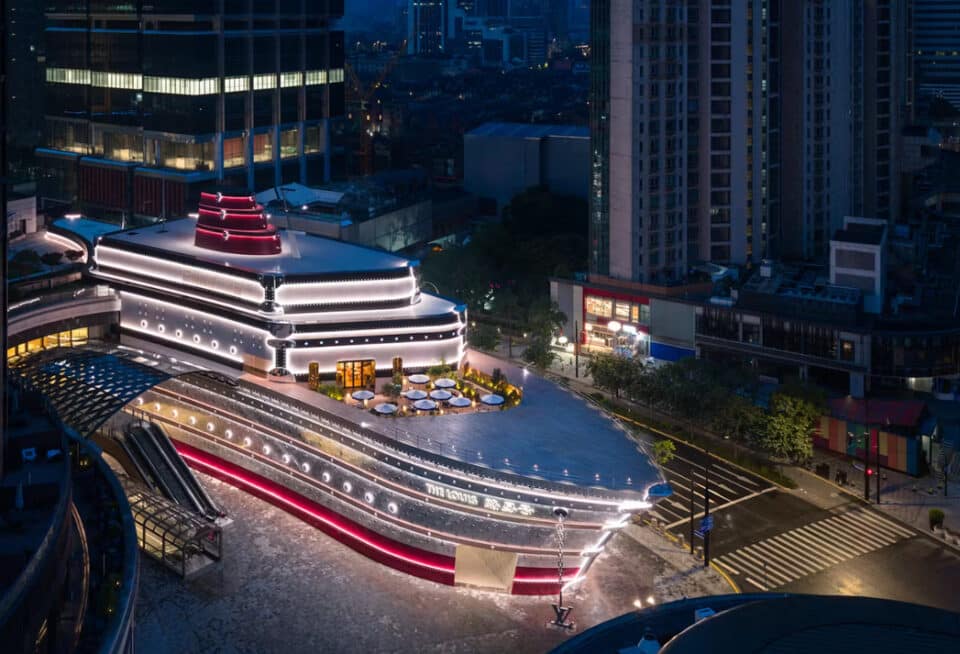
Image credit – LVMH
48. Louis Vuitton, Shanghai, China
Louis Vuitton debuted its Visionary Journey exhibition by creating a store in the shape of a ship.
This approach to a flagship sets the store apart from other luxury brands, with the interior also showcasing the idea of a journey, both the journey of the brand itself from location to location, and its changing creative vision. It situates the brand within its heritage as designer of trunks for ship voyages and demonstrates to customers how the brand has progressed over the years. A stack of trunks at the entrance forms part of an installation Trunkscape and customers can also view a trunk owned by Ernest Hemingway.
Visitors are able to view some of the early pieces by the brand, as well as creations by designers such as Virgil Abloh and Marc Jacobs.
49. Muji, Nara, Japan
Another Muji store that launched in 2025 also focused on the circular economy and community.
The new concept offers nine different stores, including a space for recycled and repaired items called ReMuji, a book café where you can read before buying, and a fashion space showcasing clothing made with natural fabrics.
Other elements include a store for essential items, furniture, and storage products. The beauty space provides health checks, and the food shop has seasonal and local products.
The final space, Open Muji, is a community hub for events and gatherings. It has a free play area for children, books, seating and hot drinks.
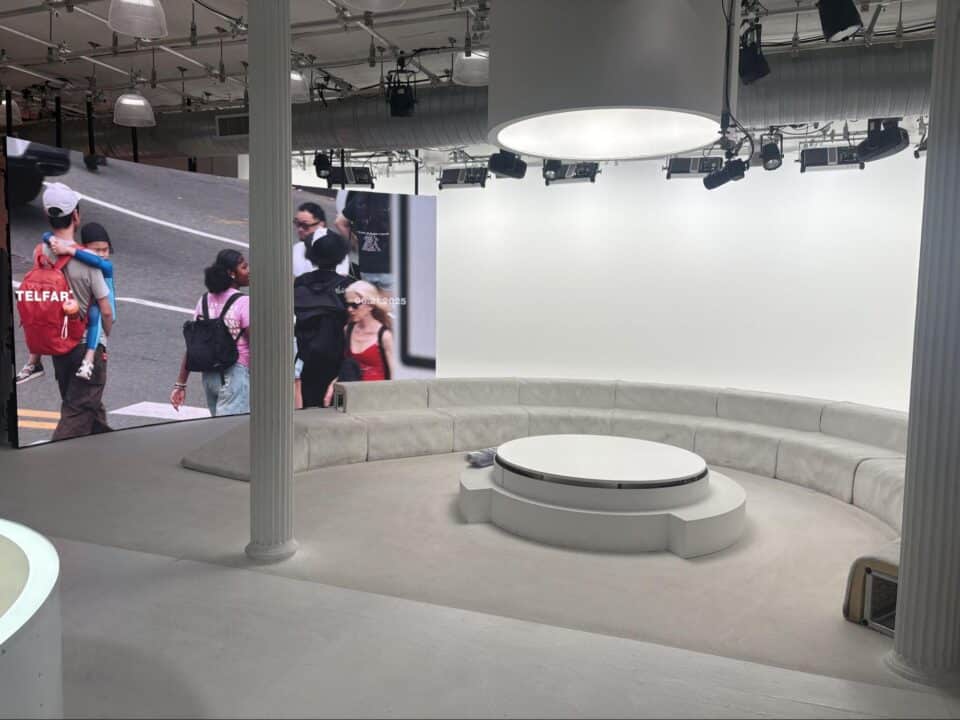
Image credit – Jack Stratten/Insider Trends
50. Telfar, New York, US
This flagship by fashion label Telfar has been designed with the brand’s fans in mind, who are very active on social media.
The new space is a large white structure that contains a TV studio for Telfar activities and product launches. However, the brand also encourages customers to create content in the space, which can be shared on the brand’s TelfarTV. There are screens throughout the store which feature a range of content, some made by the brand, some made by fans and customers. Each garment contains a QR code which allows a customer to scan and upload their content.
Make 2026 the year that you see the best retail in a city for yourself. Book a retail store tour with us and get our best insights first-hand while exploring fantastic retail spaces.